If there's one area that seems to have a mind of its own, it's often the lower belly.
You might be exercising regularly.
You might have improved your diet.
You may even have lost weight elsewhere on your body.
Yet that little pocket underneath your belly button seems determined to stay exactly where it is.
Sound familiar?
You're definitely not alone.
Lower abdominal fullness is one of the most common body concerns we hear about at Body Sculpt Clinic.
But before you start searching for the "best lower belly fat treatment", there's something important to understand:
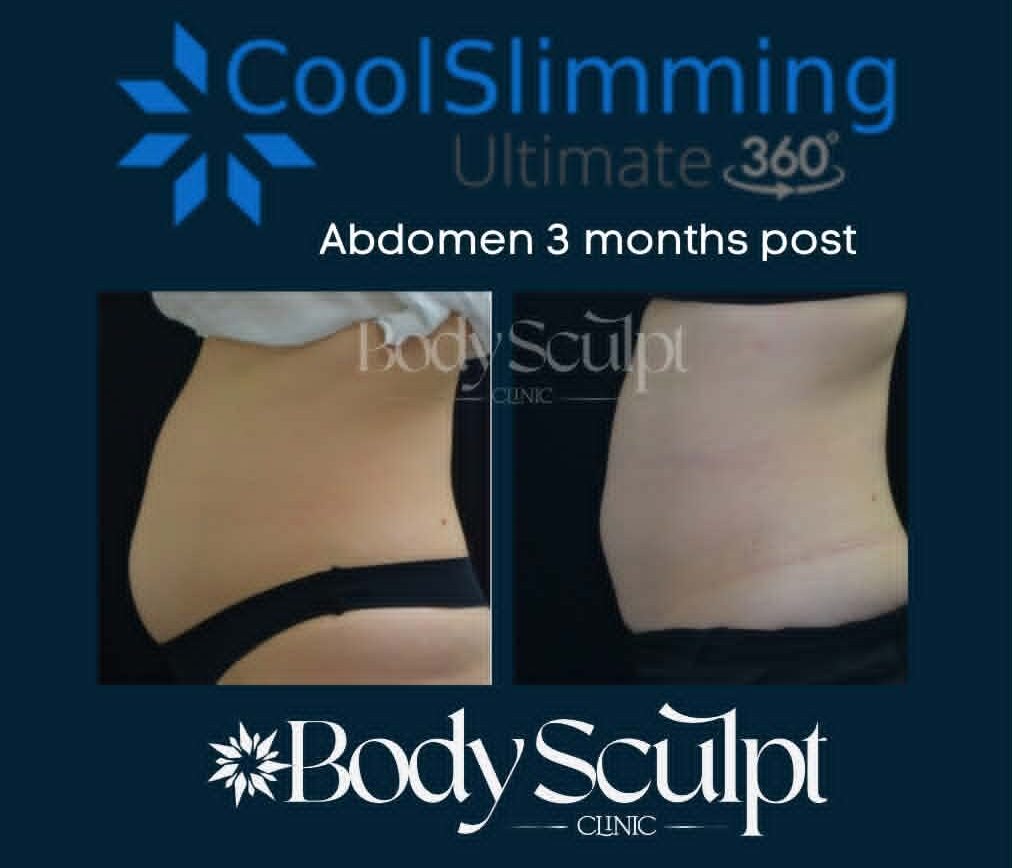
A lower belly isn't always just about fat.
The appearance of your lower abdomen can be influenced by subcutaneous fat, visceral fat, loose skin, muscle tone, abdominal structure, previous pregnancy and even bloating.
So the first step isn't necessarily treating it.
It's working out what you're actually looking at.
Why is lower belly fat so stubborn?
One of the frustrating things about losing weight is that you don't get to choose where your body loses it from.
Your genetics, hormones, age, sex and individual body composition all influence where you tend to store fat.
Some people lose weight from their face first.
Others notice changes in their arms or legs.
And for many people, the abdomen — particularly the lower abdomen — can be one of the areas that changes more slowly.
Unfortunately, there isn't an exercise that can specifically tell your body:
"Please burn the fat from underneath my belly button."
Spot reduction isn't how fat loss works.
Abdominal exercises can strengthen your core muscles, but they don't selectively burn the fat sitting over those muscles.
That's why you can have strong abdominal muscles and still have a layer of subcutaneous fat covering them.
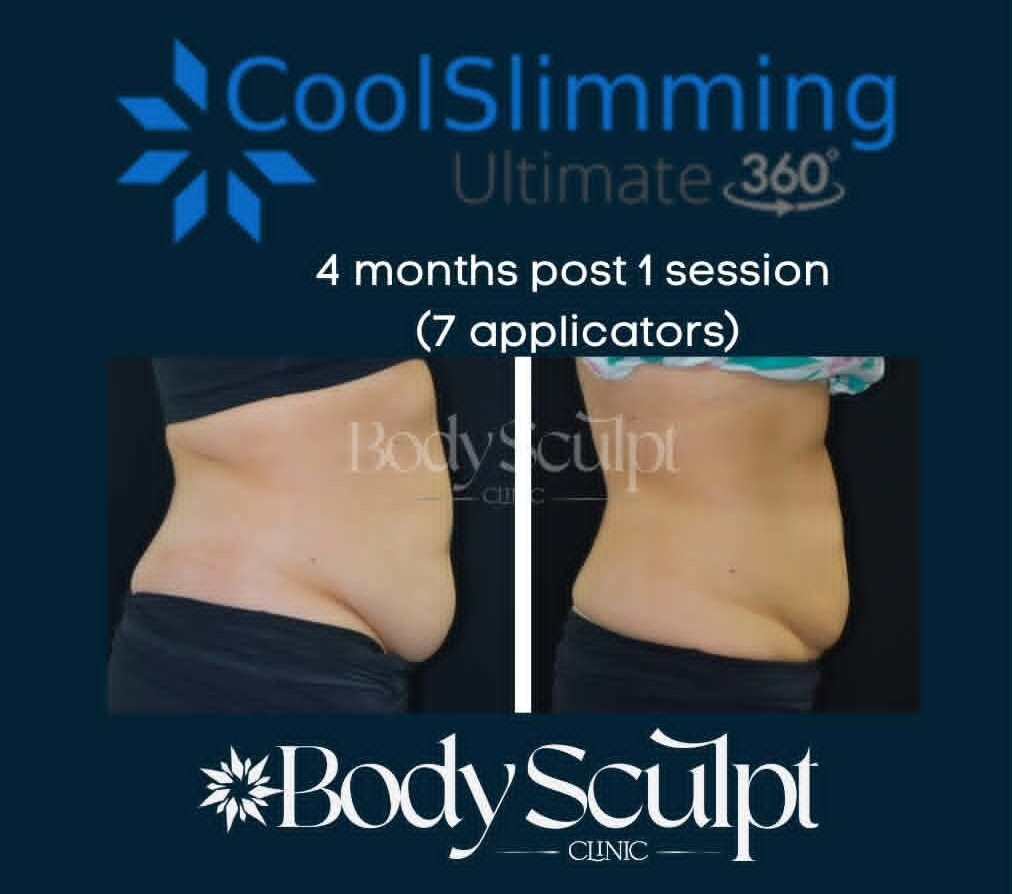
What causes lower belly fullness?
There are several possible reasons your lower stomach may look fuller than you'd like.
1. Subcutaneous fat
This is the soft, pinchable fat underneath your skin.
It's the type of fat that can sometimes be suitable for non-surgical fat-reduction treatments such as cryolipolysis, depending on the individual.
2. Visceral fat
Visceral fat is stored deeper inside the abdomen, around your internal organs.
Unlike subcutaneous fat, you can't simply pinch it between your fingers.
This type of abdominal fat is associated with metabolic and cardiovascular health and isn't something that cosmetic fat-freezing treatments are designed to treat.
If your concern is primarily visceral fat, lifestyle changes and appropriate medical advice are much more relevant than cosmetic body contouring.
3. Loose skin
Sometimes what looks like "belly fat" is partly or predominantly loose skin.
This can be particularly noticeable after:
- pregnancy
- significant weight loss
- ageing
- changes in body composition
If the main issue is excess or lax skin, simply reducing fat may not produce the result you're hoping for.
4. Abdominal muscle changes
Pregnancy can also change the appearance of the abdomen through changes to the abdominal wall and muscles.
For example, diastasis recti — separation of the abdominal muscles — can contribute to abdominal protrusion.
Fat freezing won't repair muscle separation.
If you suspect this may be contributing to your abdominal shape, it's worth discussing it with an appropriate healthcare professional.
5. Bloating
Sometimes the lower abdomen can look noticeably different throughout the day because of bloating, digestion or other factors.
That's obviously very different from having a pocket of subcutaneous fat.
Again, knowing what you're actually treating matters.
Can diet and exercise get rid of lower belly fat?
Yes, reducing overall body fat through appropriate nutrition and physical activity can reduce abdominal fat.
But there is no guarantee that it will disappear completely from one particular area.
And this is where people can become frustrated.
You might lose several kilograms and see a noticeable difference throughout your body, while still having a stubborn pocket around your lower abdomen.
That doesn't mean you've failed.
It means your body has its own individual pattern of fat storage.
Healthy habits are still the foundation.
Regular physical activity, resistance training, nutritious food, adequate sleep and maintaining a healthy body weight are important for your overall health.
Cosmetic body contouring should complement, not replace, those habits.
What about doing more abdominal exercises?
Strengthening your core is absolutely worthwhile.
A strong core can support movement, posture and overall physical function.
But hundreds of crunches won't specifically remove the layer of fat sitting over your abdominal muscles.
You can strengthen the muscle underneath without specifically reducing the fat above it.
If you're already exercising and your overall body composition is healthy, but you're still left with a small pocket of pinchable lower abdominal fat, that's a different conversation.
Can fat freezing help lower belly fat?
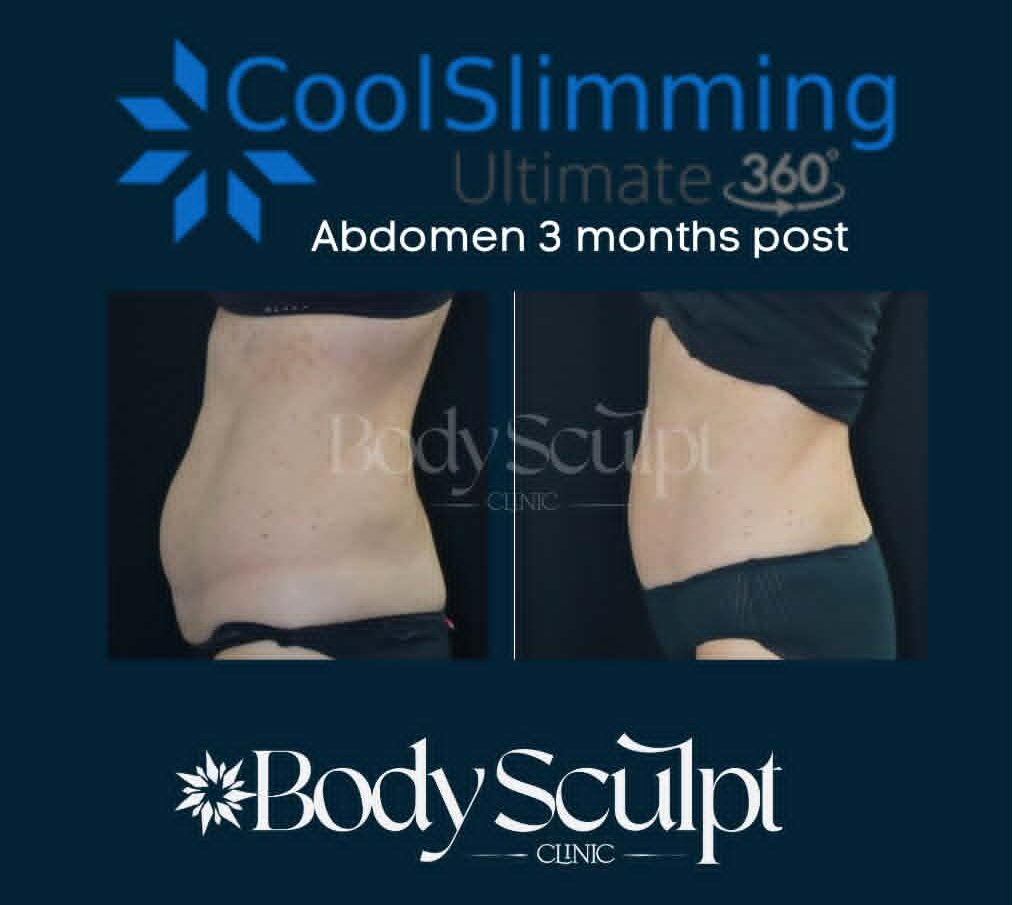
Potentially — if the area contains suitable subcutaneous fat.
Cryolipolysis, commonly known as fat freezing, uses controlled cooling to target fat cells in a specific area.
The affected fat cells are gradually processed by the body, resulting in a reduction in the treated fat layer over time.
Research has demonstrated that cryolipolysis can reduce localised subcutaneous fat, although results vary between individuals and treatment protocols.
But there is an important caveat:
Not every lower belly is suitable for fat freezing.
And that's why we assess first.
What makes someone suitable for lower-abdomen fat freezing?
Generally, we're looking for a localised area of subcutaneous fat that can be safely and appropriately treated.
Things we consider include:
- the amount of pinchable fat
- the location of the fat
- the shape of the area
- your overall body composition
- the condition of the skin
- your goals
- your medical history
- whether your expectations are realistic
If the area is primarily loose skin or visceral fat, cryolipolysis may not be the appropriate solution.
What if I have a "mum tum"?
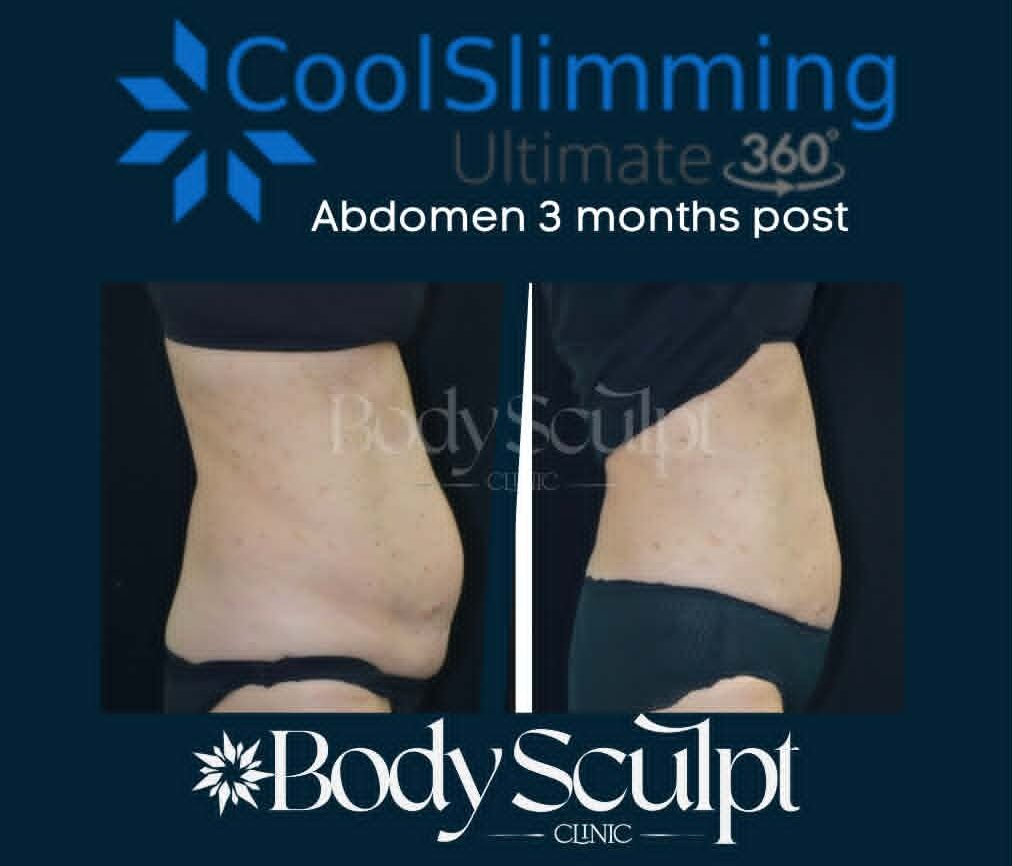
This is a really common concern.
After pregnancy, the appearance of the abdomen can be influenced by several factors, including:
- subcutaneous fat
- loose skin
- changes in abdominal muscles
- changes in body composition
And these can vary enormously from woman to woman.
Two women who have both had children can have completely different abdominal concerns.
One might have a small pocket of pinchable fat.
Another might have loose skin as the dominant concern.
Another might have abdominal muscle separation.
And another might have a combination of all three.
That's why there isn't one treatment for a "mum tum".
An assessment is important to determine what is actually contributing to the appearance.
Can fat freezing tighten loose skin?
This is a really important distinction.
Fat reduction and skin tightening are different goals.
Cryolipolysis is intended to target suitable subcutaneous fat.
If your main concern is loose or crepey skin, a skin-tightening treatment may be more appropriate.
In some cases, people have both excess fat and skin laxity, meaning a combination approach may be considered.
But reducing fat doesn't automatically mean that loose skin will tighten.
How long does lower belly fat freezing take to show results?
Cryolipolysis isn't an instant treatment.
Unlike liposuction, where fat is physically removed during surgery, cryolipolysis relies on the body's natural processing of the affected fat cells.
Changes therefore develop gradually.
Clinical studies commonly evaluate cryolipolysis outcomes several weeks after treatment, often around 8–12 weeks.
So don't judge your result after a few days.
Your body needs time to do its part.
How many treatments will I need?
Again, there's no universal number.
Some people may be happy with the result from one treatment.
Others may choose additional treatment depending on the amount of suitable fat remaining and their desired outcome.
The number of treatments depends on:
- your starting point
- the treatment area
- your goals
- the treatment plan
- your individual response
We don't believe in automatically telling everyone they need three, four or five treatments.
We assess first, then decide.
What if I'm already quite slim?
This is actually a situation where body contouring may sometimes be appropriate.
You don't need to be significantly overweight to have a pocket of stubborn subcutaneous fat.
Someone can be healthy, active and relatively slim while still having a small area they would like to contour.
However, there needs to be suitable tissue to treat.
If there is very little subcutaneous fat and the concern is actually skin laxity or abdominal structure, fat freezing may not be the answer.
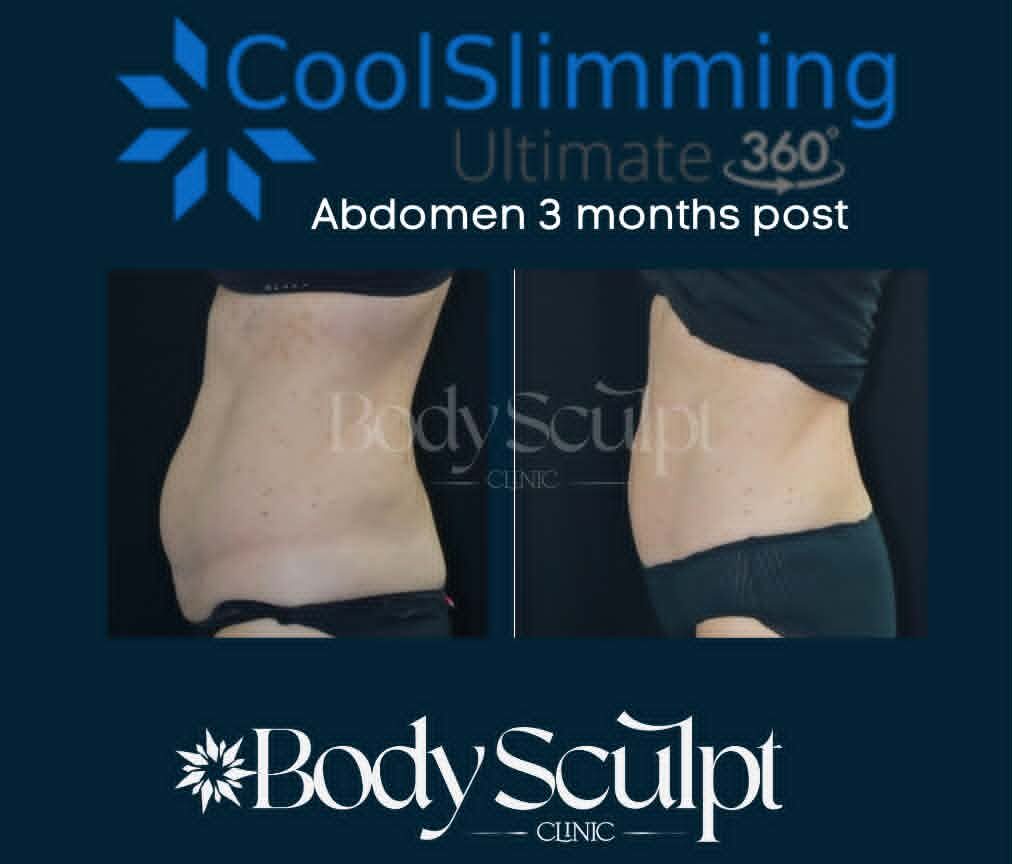
Is lower belly fat dangerous?
It depends on what type of fat you're talking about.
Subcutaneous fat — the fat underneath the skin — is different from visceral fat.
Visceral fat is associated with a number of health risks and is influenced by overall body composition, lifestyle and other health factors.
Cosmetic body contouring treatments are not designed to treat visceral fat or improve metabolic health.
If you're concerned about your overall abdominal fat or health, speak with your GP or an appropriately qualified healthcare professional.
Can you permanently get rid of lower belly fat?
It's important to be realistic.
Cryolipolysis can result in the reduction and clearance of targeted fat cells.
However, the remaining fat cells in your body can still enlarge if you gain weight.
Ageing and changes in body composition can also change your shape over time.
So the goal isn't to promise that your body will stay exactly the same forever.
It's to make an appropriate contouring improvement while supporting your result with healthy lifestyle habits.
What if lower belly fat isn't actually my problem?
This is something we see regularly.
Someone comes in saying:
"I need to get rid of this fat."
But when we assess the area, we may find that the appearance is influenced by something else.
That's why we don't want clients choosing a treatment based solely on what they see online.
You don't want to spend money treating the wrong thing.
A proper assessment can help identify whether the concern is:
Body composition
Or a combination.
And sometimes the best advice we can give is that a particular treatment isn't appropriate.
Why assessment matters at Body Sculpt Clinic
At Body Sculpt Clinic in Maroochydore, we take an assessment-first approach to body contouring.
We want to understand:
- what you're unhappy with
- what you'd like to change
- what type of tissue is present
- whether the area is suitable for treatment
- what result is realistically achievable
Only then can we discuss whether cryolipolysis or another treatment is worth considering.
We don't believe in putting the same treatment on everyone.
Your treatment plan should be based on your body — not a machine.
Can you combine fat reduction and skin tightening?
Potentially, yes.
If someone has both a localised pocket of fat and some degree of skin laxity, different treatment approaches may be considered.
The sequence and suitability depend on the individual.
This is another reason why a consultation can be more useful than simply booking a treatment based on a social media post.
Sometimes one treatment addresses the fat and another addresses the skin.
Sometimes only one treatment is needed.
And sometimes neither is appropriate.
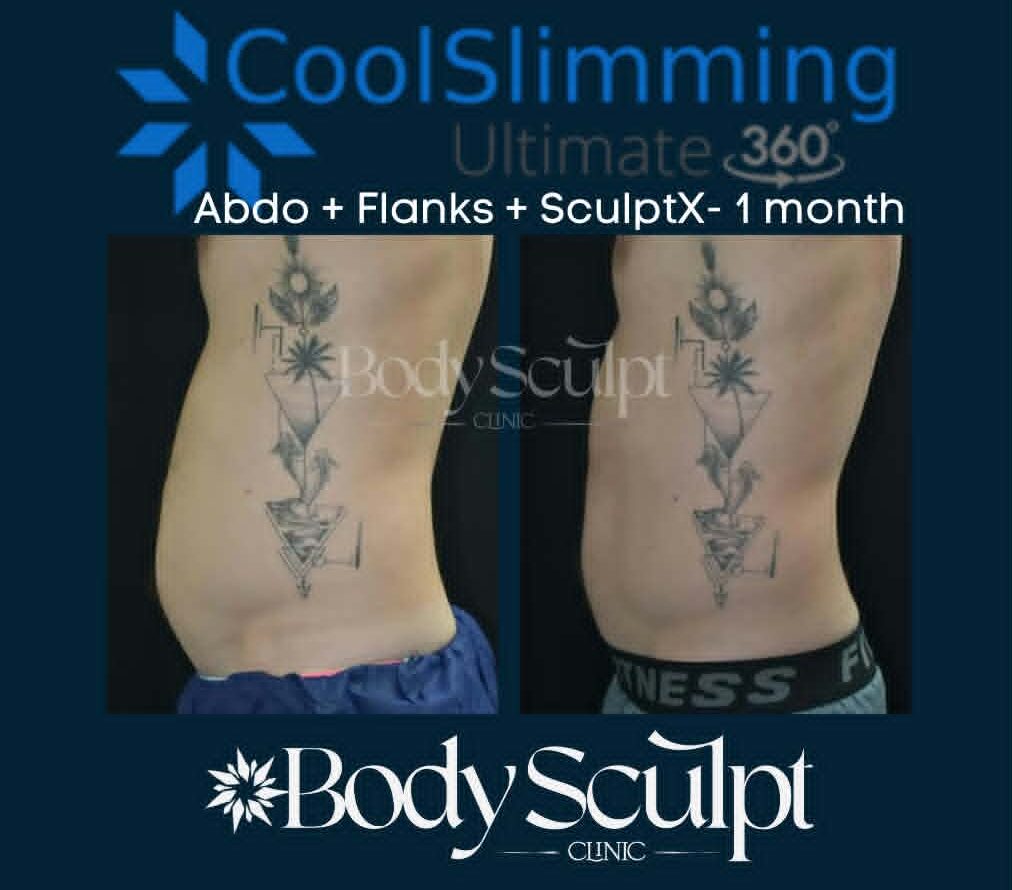
The bottom line on stubborn lower belly fat
If you're frustrated by lower belly fat that hasn't disappeared despite your best efforts, you're not necessarily doing anything wrong.
Your body has its own pattern of fat storage.
The important thing is to work out what is actually causing the fullness.
If it's suitable subcutaneous fat, cryolipolysis may be an option for localised body contouring.
If it's loose skin, you may need to consider a different approach.
If it's visceral fat, lifestyle and medical strategies are more appropriate.
And if it's muscle separation or another anatomical concern, cosmetic fat reduction isn't going to solve the underlying issue.
The right treatment starts with the right assessment.
Looking for lower belly fat reduction on the Sunshine Coast?
If you're searching for fat freezing for lower belly fat on the Sunshine Coast, Body Sculpt Clinic in Maroochydore can help you determine whether you're actually a suitable candidate.
With extensive experience in cryolipolysis and thousands of treatments performed, we focus on individual assessment, realistic expectations and personalised treatment planning.
We won't promise that fat freezing is the answer before we've seen you.
And if we don't think it's appropriate, we'll tell you.
Want to find out what is actually causing your lower belly fullness?
Book a consultation at Body Sculpt Clinic today.
Let's assess the area, discuss your goals and work out what options — if any — are right for you.
Because treating the right thing is always the first step.
Frequently Asked Questions
Why is my lower belly fat so stubborn?
Genetics, hormones, age, body composition and individual patterns of fat storage can all influence where your body stores and loses fat. The lower abdomen can be particularly resistant to changes for some people.
Can exercise get rid of lower belly fat?
Exercise can help reduce overall body fat and improve muscle tone, but it cannot specifically target fat from the lower abdomen through "spot reduction".
Does fat freezing work on lower belly fat?
Cryolipolysis may reduce suitable subcutaneous fat in the lower abdomen. Whether you're suitable depends on the amount and location of fat and your individual anatomy.
Can fat freezing get rid of a mum tum?
It depends on what is causing the appearance. A "mum tum" may involve fat, loose skin, abdominal muscle changes or a combination. Fat freezing only addresses suitable subcutaneous fat.
Can fat freezing remove visceral fat?
No. Cryolipolysis targets subcutaneous fat beneath the skin. It isn't designed to treat visceral fat.
How long does lower belly fat freezing take to work?
Results develop gradually as the body processes the affected fat cells. Clinical studies commonly assess outcomes several weeks after treatment.
How many treatments do I need for lower belly fat?
There is no standard number. Your treatment plan depends on your individual anatomy, goals and response to treatment.
Can you fat freeze a completely flat stomach?
Cryolipolysis isn't intended to create a particular body shape or guarantee a completely flat stomach. The aim is to reduce suitable localised fat and improve contour.
References
U.S. Food & Drug Administration. Non-Invasive Body Contouring Technologies.
Resende L, Noites A, Amorim M. Application of cryolipolysis in adipose tissue: A systematic review. Journal of Cosmetic Dermatology. 2022.
Falster M, et al. Effects of cryolipolysis on lower abdomen fat thickness of healthy women and patient satisfaction: a randomized controlled trial. Brazilian Journal of Physical Therapy. 2020.