
Let's be honest — if you've been researching fat freezing, you've probably wondered:
"Does this stuff actually work, or is it just another beauty treatment with clever marketing?"
It's a completely reasonable question.
There are plenty of before-and-after photos online, plenty of bold claims and plenty of people promising incredible results.
But when you're considering spending your money on a treatment, you want to know what actually happens — and whether there's legitimate science behind it.
So let's take the hype out of it.
The short answer: yes, cryolipolysis can work.
Cryolipolysis (fat freezing) has been studied clinically and can reduce localised areas of subcutaneous fat.
But — and this is important — it isn't a weight-loss treatment, it doesn't work for everyone and results aren't identical from person to person.
The best candidates are generally people who have a relatively stable weight but have specific areas of pinchable, localised fat that they would like to contour.
Let's look at what the research actually tells us.
What exactly is fat freezing?
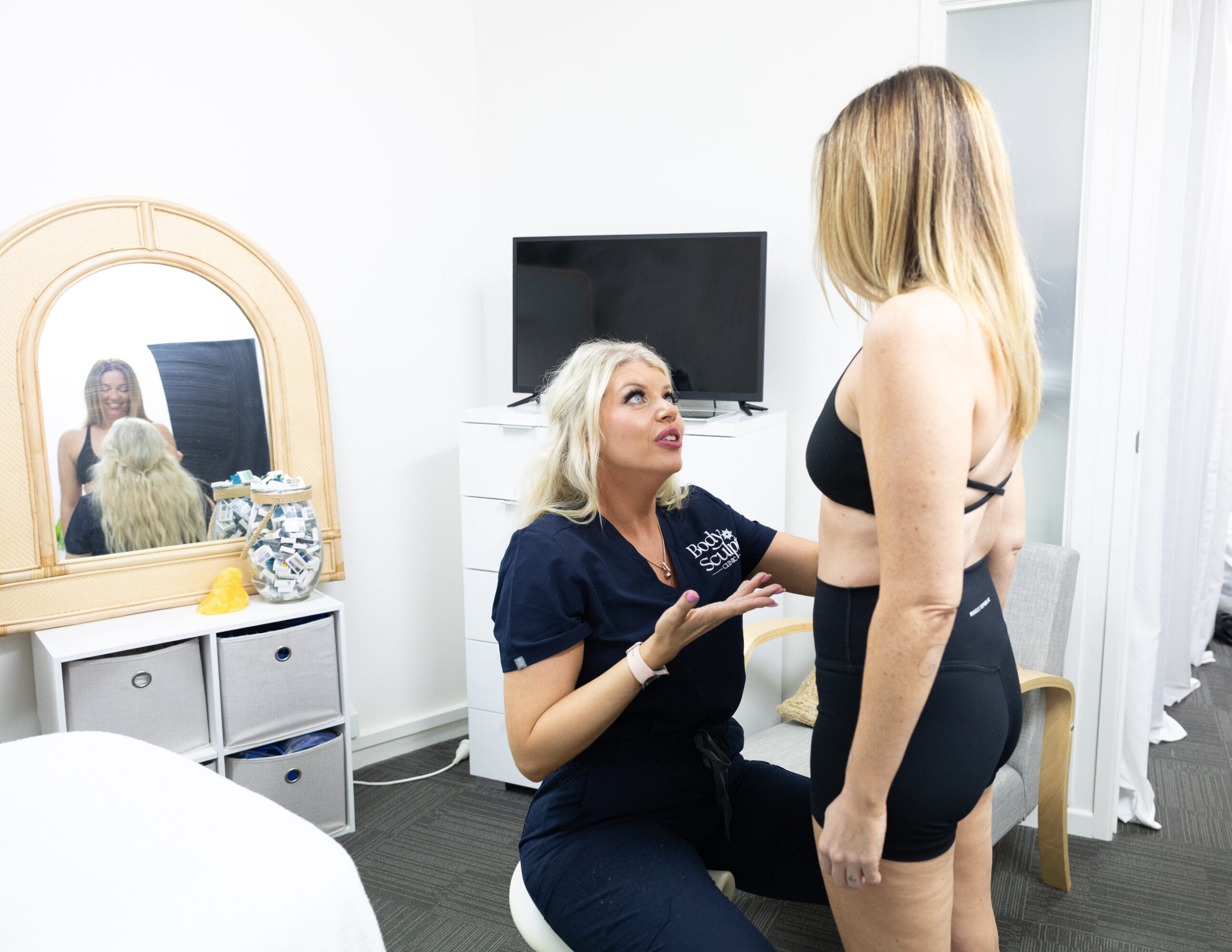
Fat freezing is the common name for cryolipolysis, a non-invasive body contouring treatment.
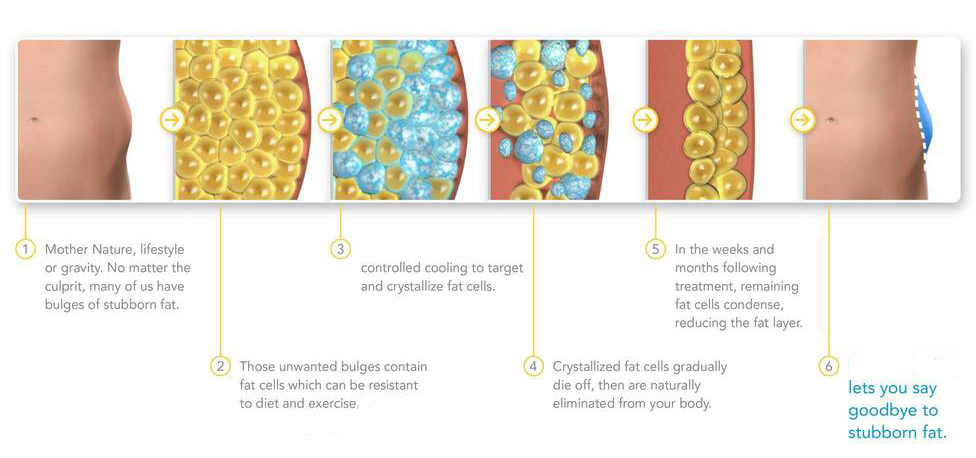
The technology works by applying controlled cooling to a targeted area of tissue.
Fat cells are particularly susceptible to cold. During treatment, the targeted tissue is cooled to a temperature that causes injury to a proportion of the fat cells, while the surrounding tissues are protected within the treatment parameters.
Over time, the body naturally processes and clears the affected cells.
This means that fat freezing doesn't physically suck fat out of your body like liposuction does.
Instead, it works by triggering a process that gradually reduces the number of fat cells in the treated area.
The concept was first described after researchers observed that children's cheeks could develop localised fat loss following exposure to cold — sometimes referred to as "popsicle panniculitis." This observation ultimately contributed to the development of cryolipolysis as a body contouring technology.
Is there actually scientific evidence behind fat freezing?
Yes.
Cryolipolysis has been investigated in numerous clinical studies and systematic reviews.
A 2022 systematic review examining cryolipolysis found that the majority of included studies reported significant reductions in localised fat, although the researchers also highlighted limitations in the available evidence and the need for further high-quality studies.
That's an important distinction.
The evidence supports cryolipolysis as a method of localised fat reduction — but that doesn't mean every person will get the same result.
And that's exactly why we believe consultations are so important.
How much fat can fat freezing actually reduce?
This is probably the question people ask us most.
And unfortunately, there's no magic number that applies to every person.
Clinical studies have reported reductions in fat thickness and circumference following cryolipolysis, but outcomes vary according to the treatment area, technology, treatment protocol and individual characteristics.
Some studies have reported reductions in the thickness of the fat layer in the region of approximately 15–30%, although results can vary considerably.
It's important not to interpret this as:
"You will lose 30% of your belly fat."
That's not what the research means.
These figures generally relate to changes in the treated fat layer, rather than overall body-fat percentage or body weight.
This is a body contouring treatment — not a replacement for weight loss.
Why don't the results happen immediately?
This is another area where fat freezing is very different from liposuction.
With liposuction, fat is physically removed during the procedure.
With cryolipolysis, the body needs time to process the affected cells.
Immediately after treatment, you may notice swelling, redness, tenderness or numbness in the area. These temporary effects can actually make the area appear larger before it starts to look different.
Over the following weeks, the treated area gradually changes.
Many clinical studies assess results around 8–12 weeks after treatment, although changes can continue beyond this point.
So if you're looking in the mirror three days after treatment wondering where your result is...
Give your body time.
Does fat freezing permanently destroy fat cells?
This is where wording matters.
Cryolipolysis can result in the destruction and subsequent clearance of targeted fat cells.
Once those particular cells have been cleared, they don't simply grow back in the same way.
However, this doesn't mean you become permanently immune to gaining fat in that area.
You still have fat cells throughout your body.
If you gain significant weight after treatment, the remaining fat cells can enlarge, which can change the overall appearance of the treated area.
So while the reduction in the number of fat cells can be long-lasting, maintaining a relatively stable weight is important for maintaining your overall body contour.
Why does fat freezing work better for some people than others?
This is one of the biggest reasons we don't like making blanket promises.
Two people can have the same treatment and experience different results.
Factors that can influence the outcome include:
The amount of pinchable fat
Cryolipolysis is designed for subcutaneous fat.
If there isn't enough tissue for the applicator to safely and effectively target, another approach may be more appropriate.
The location of the fat
Different areas of the body have different anatomy and may respond differently to treatment.
Your individual anatomy
Everyone's body is different.
The shape of your abdomen, distribution of fat and surrounding tissues all influence treatment planning.
Your expectations
Someone wanting a subtle contour improvement is likely to view their result very differently from someone expecting a dramatic transformation.
The treatment plan
Applicator selection, positioning and treatment parameters matter.
This is why who performs your treatment and how they assess you beforehand can be just as important as the technology itself.
Can fat freezing help if you're already slim?
Absolutely — and this is actually one of the situations where body contouring may make the most sense.
Fat freezing isn't intended to make someone significantly slimmer overall.
Instead, it can be considered for someone who is already relatively stable at their preferred weight but has small pockets of stubborn fat that don't respond in the way they'd like to diet and exercise.
Think:
- lower abdomen
- upper abdomen
- flanks
- love handles
- back
- bra area
- thighs
- arms
- under the chin
The key is that there needs to be appropriate subcutaneous fat present for the treatment to target.
Can fat freezing get rid of visceral fat?
No.
And this is a really important distinction.
There are two major types of abdominal fat:
Subcutaneous fat
The softer fat underneath your skin that you can pinch.
Visceral fat
Fat stored deeper inside the abdominal cavity around internal organs.
Cryolipolysis targets subcutaneous fat.
It does not treat visceral fat.
Visceral fat is associated with metabolic and cardiovascular health risks and is best addressed through appropriate lifestyle and medical strategies rather than cosmetic body contouring.
This is another reason an assessment is so important — not every "belly" is the same.
What happens during a fat-freezing treatment?
During a typical cryolipolysis treatment, an applicator is positioned over the selected treatment area.
You may initially experience:
- pulling
- pressure
- intense cold
- tingling
- temporary discomfort
As the area becomes numb, the intensity of the sensation generally settles.
Treatment time depends on the applicator and treatment area.
Afterwards, the area may be:
- red
- swollen
- tender
- numb
- sensitive
These effects generally resolve as the area recovers.
Is fat freezing safe?
Cryolipolysis is considered a non-invasive body contouring procedure, but non-invasive doesn't mean risk-free.
Common temporary effects can include redness, swelling, bruising, tenderness and altered sensation.
There is also a rare complication called paradoxical adipose hyperplasia (PAH), in which the treated fat tissue becomes enlarged rather than reduced.
The FDA recommends discussing the potential benefits and risks with a qualified healthcare professional before undergoing non-invasive body contouring.
At Body Sculpt Clinic, we believe clients should understand both the potential benefits and limitations of any treatment before deciding whether to proceed.
How many fat-freezing treatments will I need?
There isn't a universal answer.
Some people may achieve the improvement they're looking for following one treatment to an area.
Others may benefit from additional treatments.
It depends on:
- how much suitable fat is present
- the size and shape of the treatment area
- your desired outcome
- how your body responds
- the treatment plan recommended during your consultation
We don't believe in automatically selling everyone a set number of treatments.
Your body should determine your treatment plan — not a package deal.
What about fat-freezing before and after photos?
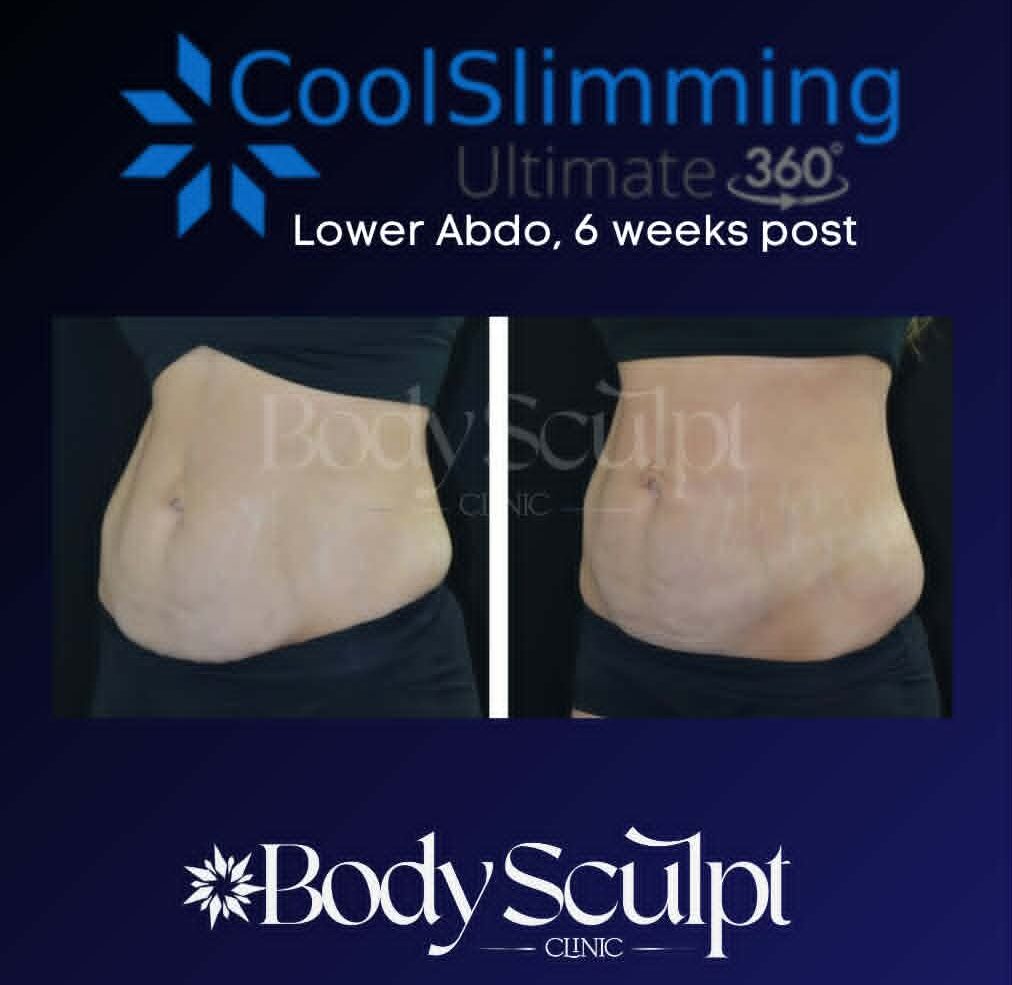
Before-and-after photos can be useful, but they should always be viewed carefully.
Results can look dramatically different depending on:
- lighting
- posture
- camera angle
- clothing
- how much time has passed
- whether the images have been edited
Most importantly, another person's result doesn't guarantee yours.
A good before-and-after comparison should ideally be taken under similar conditions and after enough time has passed for the treatment results to develop.
So... does fat freezing actually work?
Yes — the evidence supports cryolipolysis as a treatment for reducing localised areas of subcutaneous fat.
But it's not magic.
It won't replace weight loss.
It won't remove visceral fat.
It won't necessarily fix loose skin.
It won't produce the same result for everyone.
And it's certainly not suitable for every person or every body shape.
What it can do is provide a non-surgical option for people who have suitable, localised areas of subcutaneous fat and want to improve their body contour.
And that's where having an experienced practitioner assess you becomes so important.
Considering fat freezing on the Sunshine Coast?
At Body Sculpt Clinic in Maroochydore, we take a personalised approach to cryolipolysis and body contouring.
We don't believe in simply putting an applicator on an area because someone says, "I want to get rid of this fat."
We assess the area, look at the type and amount of tissue present, discuss your goals and determine whether cryolipolysis is actually an appropriate option for you.
With thousands of cryolipolysis treatments performed, our focus is on safe treatment selection, realistic expectations and natural-looking body contouring results.
Want to know whether fat freezing could work for you?
Book a consultation with Body Sculpt Clinic on the Sunshine Coast and let's take a look at your individual goals and determine whether you're a suitable candidate.
Because the best treatment isn't necessarily the one you've seen on Instagram — it's the one that's right for your body.
Frequently Asked Questions
Does fat freezing really work?
Yes. Clinical research supports cryolipolysis as an effective method for reducing localised subcutaneous fat. However, individual results vary and it isn't a weight-loss treatment.
How long does fat freezing take to work?
Results develop gradually as the body processes the affected fat cells. Many studies assess outcomes around 8–12 weeks after treatment.
Does fat freezing permanently remove fat?
Cryolipolysis can permanently reduce the number of fat cells in the treated area. However, remaining fat cells can enlarge if you gain weight, so maintaining a stable weight is important.
Can fat freezing reduce belly fat?
It can reduce suitable subcutaneous belly fat. It does not treat visceral fat or every cause of abdominal fullness.
Is cryolipolysis better than exercise?
They're not really comparable. Exercise is essential for overall health and body composition. Cryolipolysis is a cosmetic body contouring treatment for localised fat.
Is fat freezing safe?
Cryolipolysis has been extensively studied, but like any treatment it has potential risks and side effects. A proper consultation is important to determine whether it is appropriate for you.
How soon can I see fat-freezing results?
You won't see the final result immediately. Changes develop progressively over the weeks following treatment, with many studies assessing results at approximately 8–12 weeks.
References:
Resende L, Noites A, Amorim M. Application of cryolipolysis in adipose tissue: A systematic review. Journal of Cosmetic Dermatology. 2022.
Falster M, et al. Effects of cryolipolysis on lower abdomen fat thickness of healthy women and patient satisfaction: a randomized controlled trial. Brazilian Journal of Physical Therapy. 2020.
U.S. Food & Drug Administration. Non-Invasive Body Contouring Technologies.