If you're considering fat freezing, there's probably one question sitting at the top of your list:
It's a completely fair question.
You want to know what sort of commitment is involved, how much it might cost and — most importantly — what you can realistically expect from your treatment plan.
But here's the frustrating answer:
Some people may be happy with the result from a single treatment to an area.
Others may choose to have additional treatment.
And sometimes, after assessing someone, we may tell them that fat freezing isn't the right treatment for them at all.
That's why at Body Sculpt Clinic, we don't believe in automatically prescribing a set number of treatments before we've assessed you.
Let's explain why.
There are several things we consider when creating a treatment plan.
This is one of the biggest factors.
Cryolipolysis is designed to target localised subcutaneous fat — the fat that sits underneath the skin.
If there is a relatively small amount of suitable fat, you may only want a modest improvement.
If there is a larger area, your treatment plan may be different.
And importantly, more fat doesn't automatically mean more treatments.
The area needs to be assessed to determine whether it is suitable for the applicator and whether the expected outcome matches your goals.
Different areas of the body can require different approaches.
For example, treating:
can all involve different anatomy and treatment considerations.
The shape of the area and the amount and distribution of subcutaneous fat will influence how treatment is planned.
This is why you may see someone online saying:
"I only needed one treatment!"
while someone else says:
"I had three."
Neither person is necessarily wrong.
They're different bodies.
This is something we always discuss during a consultation.
Are you looking for a subtle contour improvement?
Or are you hoping for a much more noticeable change?
Having realistic expectations is one of the most important parts of body contouring.
Cryolipolysis isn't designed to dramatically change your overall body size.
It's intended for localised fat reduction and body contouring.
The FDA describes non-invasive body contouring as altering the appearance or shape of a specific area rather than treating obesity or producing weight loss.
So the goal should be contouring, not chasing a number on the scales.
It can.
Some people may achieve the improvement they're looking for following a single treatment to an area.
However, individual results vary.
Clinical research has demonstrated reductions in localised fat following cryolipolysis, but the degree of reduction differs between individuals and treatment protocols.
A systematic review of cryolipolysis studies found evidence supporting reductions in localised fat, while also highlighting differences between studies and limitations in the available evidence.
So when someone asks:
"Will one treatment work?"
The most honest answer is:
Not necessarily.
This is a really important point.
It's tempting to think:
More treatments = more fat removed = better result.
But body contouring doesn't work quite that simply.
Once an area has been treated, you need to allow your body time to respond and assess the result before deciding whether additional treatment is appropriate.
Doing additional treatments too quickly doesn't necessarily improve the final outcome.
In fact, patience is an important part of cryolipolysis treatment planning.
There's no universal interval that applies to every situation.
The appropriate timing depends on:
Because cryolipolysis produces gradual changes rather than instant fat removal, it makes sense to allow sufficient time for the body to process the treated tissue before deciding whether another treatment is required.
Many clinical studies assess outcomes at approximately 8–12 weeks or later following treatment.
That doesn't necessarily mean everyone must wait exactly 12 weeks.
It means that you need enough time to see what the first treatment has actually achieved.
This is one of the biggest misconceptions about fat freezing.
You don't finish your treatment and immediately see the final result.
Cryolipolysis works gradually.
Immediately following treatment, the area can experience temporary effects such as:
As your body recovers, the treated area gradually changes.
Clinical studies have commonly assessed outcomes at around 8–12 weeks, although changes can continue beyond that timeframe.
So if you're considering another treatment, don't make that decision based on how your stomach looks a few days afterwards.
Give your body time.
Yes, potentially.
It's possible to create treatment plans involving different body areas, depending on the individual's anatomy, goals and suitability.
For example, someone may be concerned about:
However, this doesn't mean every area needs to be treated.
A consultation should identify which areas are actually suitable and which will make the biggest difference to the overall contour.
Sometimes treating one area can make a surprisingly significant difference to the overall appearance.
This is a common question.
The abdomen and flanks can visually affect one another.
For example, reducing a localised area around the waist may change how the abdominal area appears, and vice versa.
This is why we don't always think about treatment areas as completely separate boxes.
We look at the overall body shape and how different areas relate to each other.
The goal isn't simply to remove as much fat as possible.
It's to create a balanced result.
Ideally, cryolipolysis should be considered when your weight is relatively stable.
Remember:
If you're actively losing a significant amount of weight, your body composition is changing anyway, which can make it more difficult to assess the specific effect of a body contouring treatment.
If weight loss is your primary goal, it's generally more appropriate to focus on that first and then reassess any remaining areas of localised fat once your weight is more stable.
It's not simply a matter of counting treatments.
Each treatment should have a clear purpose and should be based on an assessment of the area.
We don't believe in treating an area repeatedly just because someone thinks:
"If one treatment is good, five must be better."
Body contouring should be strategic.
If there isn't an appropriate amount of suitable fat remaining, another treatment may not be necessary — or may not be the best option.
This is exactly why expectations should be discussed before treatment.
Cryolipolysis results vary.
There are also some situations where the appearance you're concerned about isn't primarily caused by subcutaneous fat.
For example, you may have:
If the underlying concern isn't something cryolipolysis can address, more fat freezing isn't necessarily the answer.
Sometimes the best treatment plan is knowing when not to treat.
Yes — treatment technology, applicator design, treatment parameters and practitioner experience can all be relevant considerations.
But we would caution against choosing a clinic purely because of a particular machine name.
A treatment is more than the device.
It's also about:
Assessment → Applicator selection → Positioning → Treatment planning → Expectations → Follow-up
The person performing your treatment needs to understand anatomy and know how to assess whether the treatment is appropriate.
This is the part where we can't give you a number without seeing you.
And honestly, we don't want to.
We could easily tell everyone:
"You'll need three treatments."
But that wouldn't be responsible.
Some clients may only want one treatment to an area.
Others may benefit from additional treatment.
Some may need a completely different approach.
And some may be told that they're simply not a suitable candidate.
Your consultation is an opportunity to discuss:
What specifically are you hoping to change?
Which areas are bothering you and how do they relate to your overall shape?
Is the area predominantly subcutaneous fat? Is there loose skin? Is there another factor contributing to the appearance?
What sort of result are you hoping for?
If cryolipolysis is suitable, we can discuss the appropriate treatment approach.
And if another option would be more appropriate, we'll explain that too.
The number of treatments you need depends on your body, your treatment area, your goals and how you respond to treatment.
For some people, one treatment may be enough.
For others, additional treatment may be appropriate.
The important thing is not to focus on getting the maximum number of treatments.
Instead, focus on getting the right treatment plan for your body.
If you've been searching for fat freezing on the Sunshine Coast, cryolipolysis in Maroochydore or CoolSlimming near you, we'd love to help you work out whether it's actually right for you.
At Body Sculpt Clinic, we take an assessment-first approach.
With extensive experience performing cryolipolysis and thousands of treatments completed, our goal isn't to sell you the biggest treatment package.
It's to understand what you're trying to achieve and determine what treatment, if any, is appropriate for you.
Come in, let's assess the area you're concerned about and create a treatment plan based on your body — not a generic number of sessions.
Because more isn't always better. The right treatment is better.
There is no set number. It depends on the amount and location of suitable subcutaneous fat, your goals, your anatomy and how you respond to treatment.
Yes, some people may achieve the improvement they want after one treatment to an area. Others may choose additional treatment depending on their result and goals.
The appropriate interval varies. Because results develop gradually, it is important to allow enough time for the treated area to recover and the result to become apparent before deciding whether further treatment is appropriate.
This depends on the area, treatment protocol and your individual response. A practitioner should assess the area rather than automatically scheduling another treatment.
Potentially, yes. Treatment plans can involve different areas depending on your anatomy, goals and suitability.
Not necessarily. Additional treatment should only be considered when there is a suitable area remaining and a clear reason to expect further benefit.
No. Cryolipolysis is designed for localised body contouring and reduction of suitable subcutaneous fat, not overall weight loss.
Results develop gradually. Many clinical studies assess outcomes at approximately 8–12 weeks after treatment, although individual timelines vary.
U.S. Food & Drug Administration. Non-Invasive Body Contouring Technologies.
Resende L, Noites A, Amorim M. Application of cryolipolysis in adipose tissue: A systematic review. Journal of Cosmetic Dermatology. 2022.
Falster M, et al. Effects of cryolipolysis on lower abdomen fat thickness of healthy women and patient satisfaction: a randomized controlled trial. Brazilian Journal of Physical Therapy. 2020.
If you're unhappy with a stubborn pocket of fat, you've probably come across two very different options:
Fat freezing (cryolipolysis)
and
Liposuction
Both are used for body contouring, but they are very different treatments.
One is a non-surgical treatment designed to reduce localised subcutaneous fat gradually.
The other is a surgical procedure that physically removes fat from the body.
So which one is better?
The honest answer is:
Let's break down the differences so you can make a more informed decision.
Fat freezing is the common term for cryolipolysis, a non-invasive body contouring treatment.
It uses controlled cooling to target fat cells in a specific area.
Fat cells are particularly sensitive to cold. When the targeted tissue is exposed to controlled cooling within appropriate treatment parameters, some of the fat cells are damaged and subsequently cleared by the body's natural processes.
The result is a gradual reduction in the treated fat layer.
Cryolipolysis is intended for localised areas of subcutaneous fat rather than overall weight loss. The U.S. Food and Drug Administration describes non-invasive body contouring as a way of altering the appearance or shape of a specific area, rather than treating obesity or producing weight loss.
Liposuction is a surgical procedure.
During liposuction, a surgeon makes small incisions and uses a cannula to physically remove fat from beneath the skin.
Because the fat is physically removed during the procedure, liposuction can produce a more immediate and substantial change in the treated area than non-surgical fat reduction.
However, it is surgery — which means anaesthesia, incisions, recovery and surgical risks need to be considered.
Liposuction is also not a treatment for obesity or a substitute for healthy weight management.
The simplest way to explain it is:
Gradually reduces some of the fat cells in a targeted area without surgery.
Physically removes fat from a targeted area through surgery.
Neither option is inherently "better".
They simply suit different circumstances.
| Fat Freezing / Cryolipolysis | Liposuction | |
|---|---|---|
| Surgery | ❌ No | ✅ Yes |
| Incisions | ❌ No | ✅ Yes |
| Anaesthesia | Generally not required | Required depending on procedure |
| Fat physically removed | ❌ No | ✅ Yes |
| Results | Gradual | More immediate |
| Recovery | Generally minimal | Surgical recovery required |
| Downtime | Usually minimal | Can be significant |
| Suitable for weight loss | ❌ No | ❌ No |
| Targets localised fat | ✅ Yes | ✅ Yes |
| Results vary between individuals | ✅ Yes | ✅ Yes |
| Surgical risks | ❌ No surgical risks | ✅ Yes |
This is where we need to be careful.
If you're looking purely at the amount of fat that can be removed, liposuction generally has the potential to produce a more substantial change because the surgeon is physically removing fat.
But that doesn't automatically make it the better choice.
Someone wanting a modest improvement in a small, stubborn area may prefer a non-surgical option.
Someone wanting a much more significant change may consider surgery.
Your starting point and your expectations matter enormously.
And this is exactly why comparing the two treatments purely on "which removes more fat?" doesn't tell the whole story.
Research has demonstrated reductions in localised fat thickness following cryolipolysis, although results vary between individuals and treatment protocols.
A systematic review published in 2022 found evidence supporting cryolipolysis for localised fat reduction, while also noting limitations in the quality and consistency of the available evidence.
Some clinical studies have reported reductions in the thickness of the treated fat layer in the region of 15–30%, but these figures should never be interpreted as a guaranteed result for every client.
It is also important to remember that reducing the thickness of a localised fat layer is not the same thing as losing 15–30% of your body weight or total body fat.
That's why we prefer to talk about body contouring rather than weight loss.
The change in the amount of fat is immediate because the fat is physically removed during surgery.
However, you won't necessarily see the final result immediately because swelling and inflammation occur during recovery.
There is no immediate removal of fat.
Instead, the body gradually processes the affected cells.
Results therefore develop over time, and clinical studies commonly assess outcomes several weeks after treatment.
This means that patience is important with cryolipolysis.
This is one of the biggest differences.
Because cryolipolysis is non-surgical, most people can return to their normal activities relatively quickly.
You may experience temporary effects such as:
These generally settle as the area recovers.
Liposuction involves surgery, so recovery is considerably more involved.
Depending on the extent of the procedure, you may experience:
Your surgeon will provide specific post-operative instructions.
This isn't really an apples-to-apples comparison.
Fat freezing is non-invasive, while liposuction is surgery.
That means the risk profiles are different.
Cryolipolysis can cause temporary side effects and has rare complications, including paradoxical adipose hyperplasia (PAH), where the treated area becomes enlarged rather than reduced.
Liposuction has the potential risks associated with surgery, anaesthesia, infection, bleeding, fluid changes, contour irregularities and other complications.
Anyone considering liposuction should have a thorough consultation with an appropriately qualified medical practitioner or specialist surgeon.
And anyone considering cryolipolysis should also be properly assessed rather than assuming that because it is non-surgical, it is automatically suitable.
This is where cryolipolysis may be an appealing option for some people.
Imagine you're relatively happy with your weight.
You exercise.
You eat well.
But you have a small pocket of pinchable fat around your lower abdomen that just doesn't seem to respond to your lifestyle efforts.
You may not want surgery.
You may not want anaesthesia.
You may not want surgical incisions or significant downtime.
For someone in that situation, non-surgical body contouring may be worth exploring.
However, the area still needs to be assessed to determine whether there is enough suitable subcutaneous fat for treatment.
This is another important consideration.
Neither fat freezing nor liposuction is primarily a skin-tightening treatment.
If your main concern is loose or significantly excess skin — particularly following major weight loss or pregnancy — simply removing or reducing fat may not give you the result you're hoping for.
In some cases, surgical procedures designed to remove excess skin may be more appropriate.
This is why we always recommend looking at the whole picture rather than simply treating whatever area you're unhappy with.
Not really.
And we'd never tell you that it does.
Cryolipolysis and liposuction have different mechanisms, different levels of invasiveness and different potential outcomes.
For some people, fat freezing may be an excellent non-surgical option.
For others, surgery may be more appropriate.
And there will also be people for whom neither treatment is the right answer.
That's an important part of responsible body contouring.
"Non-surgical" doesn't automatically mean "better".
It simply means there is no surgical procedure involved.
For someone who wants a relatively subtle contour improvement and doesn't want surgery, that's a significant advantage.
But if someone wants a dramatic reduction in a larger area of fat, they may decide that the greater potential change associated with surgery is worth the additional recovery and risks.
The right treatment depends on what you're trying to achieve.
This can be tricky to compare because liposuction and fat freezing are priced very differently.
Liposuction costs can include:
Fat freezing is generally priced per treatment area, depending on the technology, applicators and treatment plan.
Rather than comparing the price of a single session, consider the overall treatment, recovery and expected outcome.
And don't choose a treatment solely because it is cheaper.
Here's the simple version:
✔ You have localised, pinchable subcutaneous fat
✔ You're relatively stable with your weight
✔ You want a non-surgical option
✔ You want minimal downtime
✔ You're comfortable with gradual results
✔ You're looking for body contouring rather than significant weight loss
✔ You want a more substantial fat reduction
✔ You're comfortable undergoing surgery
✔ You're prepared for surgical recovery
✔ You understand the risks and potential complications
✔ You've had a consultation with an appropriately qualified surgeon
And remember:
If the concern is primarily loose skin, visceral fat, abdominal muscle separation or another underlying issue, a completely different approach may be needed.
This is something we talk about a lot at Body Sculpt Clinic.
It's very easy to look at a picture online and think:
"That's the treatment I need."
But your body isn't a stock photo.
The area you're concerned about might look like "fat" to you, but there can be different types of tissue and different reasons for the appearance.
That's why an assessment should come before treatment.
At Body Sculpt Clinic, we'll look at the area you're concerned about, discuss your goals and determine whether cryolipolysis is a suitable option.
And if we don't think it's the right treatment for you, we'll tell you.
We'd rather have an honest conversation than sell you a treatment that isn't going to give you the result you're hoping for.
Both cryolipolysis and liposuction can be used for body contouring, but they're designed for very different approaches.
Liposuction physically removes fat through surgery and can create a more substantial change, but involves surgical risks and recovery.
Fat freezing uses controlled cooling to gradually reduce localised subcutaneous fat without surgery or incisions.
Neither is a magic solution.
Neither is a weight-loss treatment.
And neither is right for everyone.
The best place to start is understanding what you're actually trying to change and choosing a treatment based on your individual anatomy, goals and expectations.
If you're considering fat freezing in Maroochydore or on the Sunshine Coast, Body Sculpt Clinic can help you work out whether cryolipolysis is actually suitable for you.
With extensive hands-on experience and thousands of cryolipolysis treatments performed, our approach is centred around individual assessment, appropriate treatment selection and realistic expectations.
Let's look at the area you're concerned about and discuss your options — without pressure and without assuming that one treatment is right for everyone.
Your body is unique. Your treatment plan should be too.
Fat freezing and liposuction work in very different ways. Liposuction physically removes fat and can generally produce a more substantial change, while cryolipolysis gradually reduces localised subcutaneous fat without surgery.
Cryolipolysis doesn't involve the surgical risks associated with liposuction, but it still has potential side effects and rare complications. Liposuction carries the risks associated with surgery and anaesthesia. Neither should be considered completely risk-free.
Fat cells removed through liposuction are physically removed. However, remaining fat cells can enlarge with weight gain, and liposuction doesn't prevent future weight gain.
Cryolipolysis can result in the destruction and clearance of targeted fat cells. However, remaining fat cells can still enlarge if you gain weight.
It depends on the amount of fat, your anatomy, your goals and whether you're willing to undergo surgery. A consultation is the best way to determine which option may be appropriate.
Potentially, but this is something that should be discussed with your surgeon. Your medical history and previous treatments should always be disclosed during a surgical consultation.
For some people seeking a modest reduction in localised fat without surgery, cryolipolysis may be a suitable alternative. However, it isn't equivalent to liposuction and shouldn't be marketed as a surgical replacement.
U.S. Food & Drug Administration. Non-Invasive Body Contouring Technologies.
Resende L, Noites A, Amorim M. Application of cryolipolysis in adipose tissue: A systematic review. Journal of Cosmetic Dermatology. 2022.
Falster M, et al. Effects of cryolipolysis on lower abdomen fat thickness of healthy women and patient satisfaction: a randomized controlled trial. Brazilian Journal of Physical Therapy. 2020.
Let's be honest — if you've been researching fat freezing, you've probably wondered:
"Does this stuff actually work, or is it just another beauty treatment with clever marketing?"
It's a completely reasonable question.
There are plenty of before-and-after photos online, plenty of bold claims and plenty of people promising incredible results.
But when you're considering spending your money on a treatment, you want to know what actually happens — and whether there's legitimate science behind it.
So let's take the hype out of it.
Cryolipolysis (fat freezing) has been studied clinically and can reduce localised areas of subcutaneous fat.
But — and this is important — it isn't a weight-loss treatment, it doesn't work for everyone and results aren't identical from person to person.
The best candidates are generally people who have a relatively stable weight but have specific areas of pinchable, localised fat that they would like to contour.
Let's look at what the research actually tells us.
Fat freezing is the common name for cryolipolysis, a non-invasive body contouring treatment.
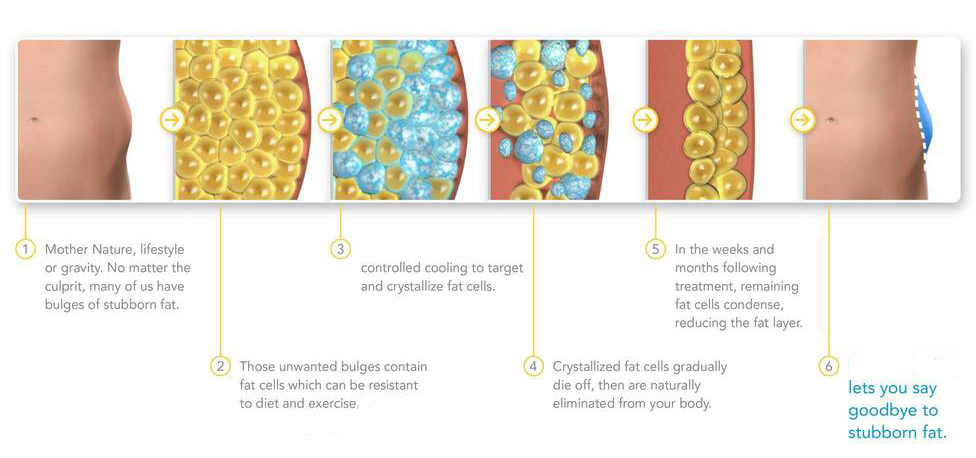
The technology works by applying controlled cooling to a targeted area of tissue.
Fat cells are particularly susceptible to cold. During treatment, the targeted tissue is cooled to a temperature that causes injury to a proportion of the fat cells, while the surrounding tissues are protected within the treatment parameters.
Over time, the body naturally processes and clears the affected cells.
This means that fat freezing doesn't physically suck fat out of your body like liposuction does.
Instead, it works by triggering a process that gradually reduces the number of fat cells in the treated area.
The concept was first described after researchers observed that children's cheeks could develop localised fat loss following exposure to cold — sometimes referred to as "popsicle panniculitis." This observation ultimately contributed to the development of cryolipolysis as a body contouring technology.
Yes.
Cryolipolysis has been investigated in numerous clinical studies and systematic reviews.
A 2022 systematic review examining cryolipolysis found that the majority of included studies reported significant reductions in localised fat, although the researchers also highlighted limitations in the available evidence and the need for further high-quality studies.
That's an important distinction.
The evidence supports cryolipolysis as a method of localised fat reduction — but that doesn't mean every person will get the same result.
And that's exactly why we believe consultations are so important.
This is probably the question people ask us most.
And unfortunately, there's no magic number that applies to every person.
Clinical studies have reported reductions in fat thickness and circumference following cryolipolysis, but outcomes vary according to the treatment area, technology, treatment protocol and individual characteristics.
Some studies have reported reductions in the thickness of the fat layer in the region of approximately 15–30%, although results can vary considerably.
It's important not to interpret this as:
"You will lose 30% of your belly fat."
That's not what the research means.
These figures generally relate to changes in the treated fat layer, rather than overall body-fat percentage or body weight.
This is a body contouring treatment — not a replacement for weight loss.
This is another area where fat freezing is very different from liposuction.
With liposuction, fat is physically removed during the procedure.
With cryolipolysis, the body needs time to process the affected cells.
Immediately after treatment, you may notice swelling, redness, tenderness or numbness in the area. These temporary effects can actually make the area appear larger before it starts to look different.
Over the following weeks, the treated area gradually changes.
Many clinical studies assess results around 8–12 weeks after treatment, although changes can continue beyond this point.
So if you're looking in the mirror three days after treatment wondering where your result is...
Give your body time.
This is where wording matters.
Cryolipolysis can result in the destruction and subsequent clearance of targeted fat cells.
Once those particular cells have been cleared, they don't simply grow back in the same way.
However, this doesn't mean you become permanently immune to gaining fat in that area.
You still have fat cells throughout your body.
If you gain significant weight after treatment, the remaining fat cells can enlarge, which can change the overall appearance of the treated area.
So while the reduction in the number of fat cells can be long-lasting, maintaining a relatively stable weight is important for maintaining your overall body contour.
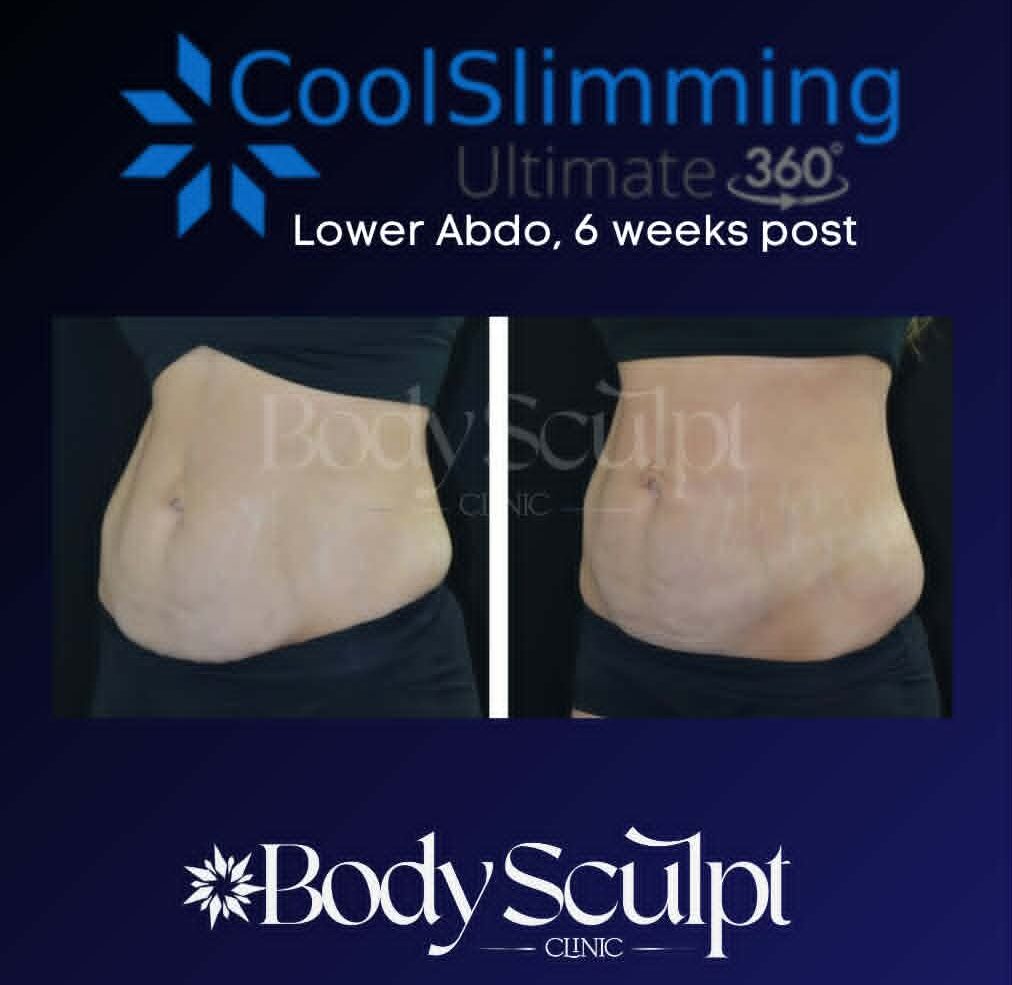
This is one of the biggest reasons we don't like making blanket promises.
Two people can have the same treatment and experience different results.
Factors that can influence the outcome include:
Cryolipolysis is designed for subcutaneous fat.
If there isn't enough tissue for the applicator to safely and effectively target, another approach may be more appropriate.
Different areas of the body have different anatomy and may respond differently to treatment.
Everyone's body is different.
The shape of your abdomen, distribution of fat and surrounding tissues all influence treatment planning.
Someone wanting a subtle contour improvement is likely to view their result very differently from someone expecting a dramatic transformation.
Applicator selection, positioning and treatment parameters matter.
This is why who performs your treatment and how they assess you beforehand can be just as important as the technology itself.
Absolutely — and this is actually one of the situations where body contouring may make the most sense.
Fat freezing isn't intended to make someone significantly slimmer overall.
Instead, it can be considered for someone who is already relatively stable at their preferred weight but has small pockets of stubborn fat that don't respond in the way they'd like to diet and exercise.
Think:
The key is that there needs to be appropriate subcutaneous fat present for the treatment to target.
No.
And this is a really important distinction.
There are two major types of abdominal fat:
Subcutaneous fat
The softer fat underneath your skin that you can pinch.
Visceral fat
Fat stored deeper inside the abdominal cavity around internal organs.
Cryolipolysis targets subcutaneous fat.
It does not treat visceral fat.
Visceral fat is associated with metabolic and cardiovascular health risks and is best addressed through appropriate lifestyle and medical strategies rather than cosmetic body contouring.
This is another reason an assessment is so important — not every "belly" is the same.
During a typical cryolipolysis treatment, an applicator is positioned over the selected treatment area.
You may initially experience:
As the area becomes numb, the intensity of the sensation generally settles.
Treatment time depends on the applicator and treatment area.
Afterwards, the area may be:
These effects generally resolve as the area recovers.
Cryolipolysis is considered a non-invasive body contouring procedure, but non-invasive doesn't mean risk-free.
Common temporary effects can include redness, swelling, bruising, tenderness and altered sensation.
There is also a rare complication called paradoxical adipose hyperplasia (PAH), in which the treated fat tissue becomes enlarged rather than reduced.
The FDA recommends discussing the potential benefits and risks with a qualified healthcare professional before undergoing non-invasive body contouring.
At Body Sculpt Clinic, we believe clients should understand both the potential benefits and limitations of any treatment before deciding whether to proceed.
There isn't a universal answer.
Some people may achieve the improvement they're looking for following one treatment to an area.
Others may benefit from additional treatments.
It depends on:
We don't believe in automatically selling everyone a set number of treatments.
Your body should determine your treatment plan — not a package deal.
Before-and-after photos can be useful, but they should always be viewed carefully.
Results can look dramatically different depending on:
Most importantly, another person's result doesn't guarantee yours.
A good before-and-after comparison should ideally be taken under similar conditions and after enough time has passed for the treatment results to develop.
Yes — the evidence supports cryolipolysis as a treatment for reducing localised areas of subcutaneous fat.
But it's not magic.
It won't replace weight loss.
It won't remove visceral fat.
It won't necessarily fix loose skin.
It won't produce the same result for everyone.
And it's certainly not suitable for every person or every body shape.
What it can do is provide a non-surgical option for people who have suitable, localised areas of subcutaneous fat and want to improve their body contour.
And that's where having an experienced practitioner assess you becomes so important.
At Body Sculpt Clinic in Maroochydore, we take a personalised approach to cryolipolysis and body contouring.
We don't believe in simply putting an applicator on an area because someone says, "I want to get rid of this fat."
We assess the area, look at the type and amount of tissue present, discuss your goals and determine whether cryolipolysis is actually an appropriate option for you.
With thousands of cryolipolysis treatments performed, our focus is on safe treatment selection, realistic expectations and natural-looking body contouring results.
Book a consultation with Body Sculpt Clinic on the Sunshine Coast and let's take a look at your individual goals and determine whether you're a suitable candidate.
Because the best treatment isn't necessarily the one you've seen on Instagram — it's the one that's right for your body.
Yes. Clinical research supports cryolipolysis as an effective method for reducing localised subcutaneous fat. However, individual results vary and it isn't a weight-loss treatment.
Results develop gradually as the body processes the affected fat cells. Many studies assess outcomes around 8–12 weeks after treatment.
Cryolipolysis can permanently reduce the number of fat cells in the treated area. However, remaining fat cells can enlarge if you gain weight, so maintaining a stable weight is important.
It can reduce suitable subcutaneous belly fat. It does not treat visceral fat or every cause of abdominal fullness.
They're not really comparable. Exercise is essential for overall health and body composition. Cryolipolysis is a cosmetic body contouring treatment for localised fat.
Cryolipolysis has been extensively studied, but like any treatment it has potential risks and side effects. A proper consultation is important to determine whether it is appropriate for you.
You won't see the final result immediately. Changes develop progressively over the weeks following treatment, with many studies assessing results at approximately 8–12 weeks.
Resende L, Noites A, Amorim M. Application of cryolipolysis in adipose tissue: A systematic review. Journal of Cosmetic Dermatology. 2022.
Falster M, et al. Effects of cryolipolysis on lower abdomen fat thickness of healthy women and patient satisfaction: a randomized controlled trial. Brazilian Journal of Physical Therapy. 2020.
U.S. Food & Drug Administration. Non-Invasive Body Contouring Technologies.
If you've ever looked in the mirror and thought, "Why won't this belly fat go away?", you're definitely not alone.
You might be eating well, exercising regularly and doing everything you're "supposed" to do — yet still have an area around your stomach that seems determined to stick around.
And this is where things can get confusing.
Because losing weight and reducing a stubborn area of fat are not necessarily the same thing.
For some people, the scales may be exactly where they want them to be, but they still have a pocket of pinchable fat around the lower abdomen, waist or sides that they'd love to reduce.
So, what actually works?
Let's take a closer look.
The first thing to understand is that you can't choose exactly where your body loses fat from.
When you lose weight through a calorie deficit, your body draws on stored energy from fat cells throughout the body. Genetics, hormones, age, sex and individual fat distribution all influence where your body tends to store and lose fat.
This is why you might lose weight from your face, arms or legs before noticing much difference around your stomach.
And unfortunately, doing hundreds of sit-ups doesn't specifically tell your body to burn the fat sitting over your abdominal muscles.
Exercise is still incredibly important for your overall health, fitness and body composition — but spot reduction isn't how fat loss works.
Not all abdominal fat is the same.
Subcutaneous fat is the soft, pinchable fat that sits underneath your skin.
Visceral fat sits deeper inside your abdomen, around your internal organs.
This distinction is particularly important when considering cosmetic fat-reduction treatments.
Non-invasive body contouring treatments such as cryolipolysis are designed to target localised subcutaneous fat, not visceral fat. The FDA also makes clear that non-invasive body contouring is intended to alter the shape of specific areas rather than treat obesity or produce overall weight loss.
That's one reason why having a proper assessment before treatment is so important.
There isn't one answer that works for everyone.
For overall body-fat reduction, the foundations remain:
But what if you've already done all of that?
What if you're relatively happy with your weight but have one particular area of stubborn, pinchable fat that you'd like to improve?
That's where non-surgical body contouring may be worth considering.
Cryolipolysis is commonly known as fat freezing.
It is a non-invasive body contouring technology that uses controlled cooling to target fat cells in a specific treatment area.
Fat cells are more sensitive to cold than the surrounding tissues. During cryolipolysis, the treatment applicator cools the targeted tissue, initiating a process that results in the gradual clearance of affected fat cells.
The body then naturally processes the treated cells over time.
The important word here is gradually.
This isn't a treatment where you walk out of the clinic having instantly lost your belly fat.
Instead, changes develop progressively over the weeks following treatment.
Research has found evidence that cryolipolysis can reduce localised subcutaneous fat, although results vary between individuals and treatment areas. A 2022 systematic review found that most of the included studies demonstrated significant reductions in localised fat, while also noting that more high-quality research is needed.
It can — if the type of belly fat you're carrying is suitable for treatment.
This is an important distinction.
Fat freezing isn't designed to treat every type of stomach.
For example, if the main concern is:
then cryolipolysis may not be the appropriate solution.
However, if you have a localised pocket of subcutaneous fat that can be safely captured by an appropriate applicator, cryolipolysis may be an option for body contouring.
This is exactly why we don't believe in taking a "one treatment fits everyone" approach at Body Sculpt Clinic.
The lower abdomen is one of the areas people commonly want to improve.
You might hear it called:
But again, the appearance of the lower abdomen can be influenced by much more than fat.
Skin laxity, muscle tone, abdominal separation, previous pregnancy, body composition and even bloating can all contribute to the appearance of the stomach.
A good consultation should therefore look at the whole picture, rather than simply assuming that the answer is fat reduction.
Interestingly, research specifically investigating cryolipolysis of the lower abdomen has produced mixed findings. One randomised controlled trial found no significant difference following a particular single-treatment protocol, highlighting why individual assessment and realistic expectations are so important.
That's something I think is worth being honest about.
No reputable clinic should promise that fat freezing will work for everyone.
This is one of the most common questions we hear.
The answer isn't a single number that applies to everyone.
Results depend on factors including:
Clinical studies have demonstrated reductions in localised fat thickness and circumference following cryolipolysis, but the results vary between studies and individuals.
And this is why "How many centimetres will I lose?" isn't something we should promise before seeing you.
Instead, the goal is to determine whether the treatment is appropriate for your body and what sort of result may realistically be achievable.
No.
This is one of the most important things to understand.
Cryolipolysis is a body contouring treatment, not a weight-loss treatment.
You shouldn't book fat freezing because you want to lose a significant amount of weight.
It's more appropriate for someone who is already relatively stable with their weight but has specific areas of localised fat that they would like to contour.
The FDA specifically states that non-invasive body contouring does not treat obesity and does not result in weight loss in the same way that weight-loss interventions do.
Think of it as:
Weight loss = reducing overall body weight/body fat
Body contouring = targeting specific areas to change their shape or appearance
They are related, but they're not the same thing.
Patience is important with cryolipolysis.
The body needs time to process the affected fat cells, so changes aren't necessarily immediate.
Research assessing outcomes at around 12 weeks has demonstrated reductions in abdominal circumference and fat thickness following cryolipolysis, although individual outcomes vary.
This means you shouldn't judge your result after just a few days.
Your body is doing the work gradually.
This is another situation where assessment is important.
Sometimes the issue isn't simply "too much fat".
You may have a combination of:
Fat + loose skin + reduced muscle tone
In this situation, reducing fat alone may not produce the result you're hoping for.
Depending on your individual circumstances, another treatment — such as a skin-tightening treatment — may be more appropriate, or a combination approach may be considered.
This is why we always recommend an assessment rather than simply choosing a treatment based on a photo or a social media post.
They can absolutely help reduce overall body fat and improve your health and body composition.
But they can't guarantee that a particular stubborn pocket will disappear.
Everyone's body stores fat differently.
You may find that your weight has changed significantly but that one area remains surprisingly resistant.
That's where body contouring can potentially complement your healthy lifestyle.
It's not replacing diet and exercise.
It's about addressing a specific aesthetic concern that may remain despite your best efforts.
No — and that's actually a good thing.
A responsible body contouring clinic should be prepared to tell you when a treatment isn't appropriate.
There are medical and anatomical factors that need to be considered before cryolipolysis. For example, certain cold-sensitivity conditions and poor circulation in the treatment area can make fat freezing unsuitable.
There are also recognised potential side effects, including temporary numbness, redness, swelling, tenderness and sensitivity. Rare complications can occur, including paradoxical adipose hyperplasia, where the treated area unexpectedly becomes enlarged rather than reduced.
That's why your consultation matters.
If you're carrying excess overall body fat, focusing on nutrition, exercise and healthy lifestyle habits is the foundation.
But if you're already close to your preferred weight and have a specific pocket of pinchable abdominal fat, non-surgical body contouring such as cryolipolysis may be worth investigating.
The most important step is determining what you're actually treating.
Is it subcutaneous fat?
Visceral fat?
Loose skin?
Muscle separation?
Or a combination?
Because the right treatment starts with the right assessment.
At Body Sculpt Clinic in Maroochydore, we take an assessment-first approach to body contouring.
Rather than simply looking at an area and deciding which treatment to put on it, we assess your individual concerns, body shape and the type of tissue present before discussing whether cryolipolysis is appropriate.
With extensive hands-on experience in cryolipolysis and thousands of treatments performed, our focus is on realistic expectations, appropriate treatment selection and natural-looking body contouring results.
If you're wondering whether your stubborn belly fat could be suitable for fat freezing, we'd love to help you work it out.
Let's determine whether cryolipolysis is right for you — and, just as importantly, whether it isn't.
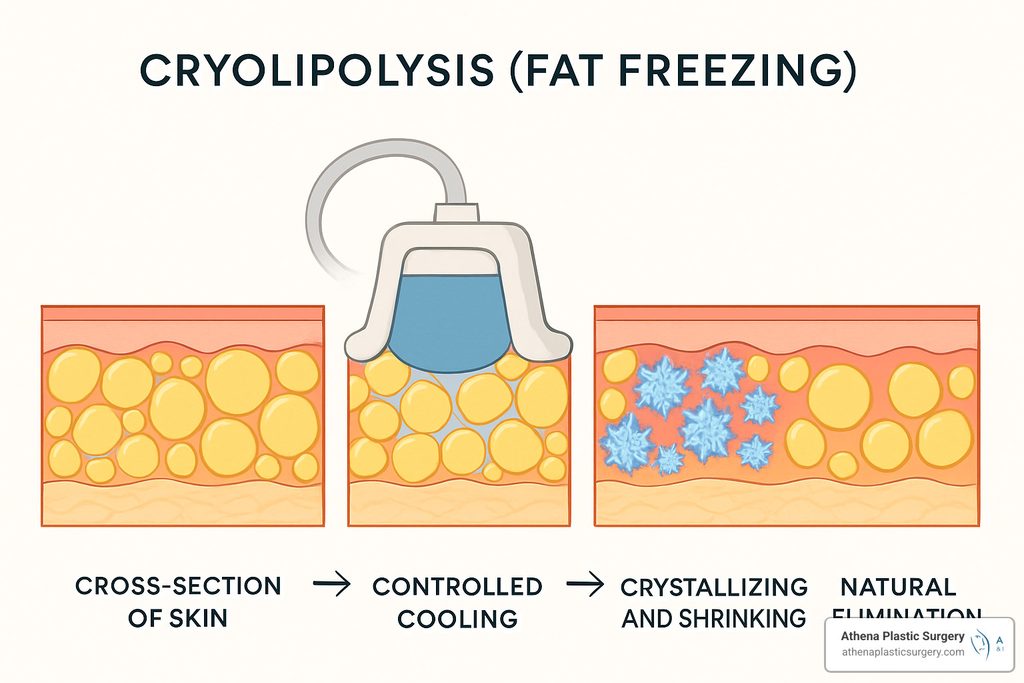
Cryolipolysis targets fat cells in a specific treatment area, and the body gradually clears affected cells. However, remaining fat cells can still enlarge with future weight gain, so maintaining a stable weight and healthy lifestyle is important.
No. Belly fat can include both subcutaneous fat, which sits beneath the skin, and visceral fat, which surrounds internal organs. Cryolipolysis targets subcutaneous fat, not visceral fat.
There isn't one treatment number that is right for everyone. It depends on your anatomy, the amount of suitable fat, your goals and the treatment plan developed during your consultation.
Cryolipolysis is not a weight-loss treatment. It is designed for localised body contouring and reduction of specific areas of subcutaneous fat.
Results develop gradually rather than immediately. Changes are commonly assessed over the following weeks, with clinical studies often evaluating outcomes around 8–12 weeks and beyond.
Treatment sensations vary. During cryolipolysis, you may experience an intense cold sensation initially, along with pressure or pulling from the applicator. Temporary numbness, tenderness or sensitivity can occur afterwards.
Clinical References:
Resende L, Noites A, Amorim M. Application of cryolipolysis in adipose tissue: A systematic review. Journal of Cosmetic Dermatology. 2022.
Ravindran R, et al. Cryolipolysis and associated health outcomes, adverse events, and satisfaction: A systematic review and meta-analysis. Obesity Reviews. 2025.
U.S. Food & Drug Administration. Non-Invasive Body Contouring Technologies. Falster M, et al. Effects of cryolipolysis on lower abdomen fat thickness of healthy women and patient satisfaction: a randomized controlled trial. Brazilian Journal of Physical Therapy. 2020.
Your complete, honest guide from Body Sculpt Clinic, Sunshine Coast
Whether it’s an old tattoo that no longer feels like “you,” a faded design, or something you’ve simply outgrown, you’re not alone — tattoo removal is one of the fastest‑growing aesthetic treatments on the Sunshine Coast.
At Body Sculpt Clinic, we use advanced laser technology to safely fade and remove unwanted ink with minimal discomfort and no downtime. If you’re considering tattoo removal, here’s everything you need to know before starting your journey.
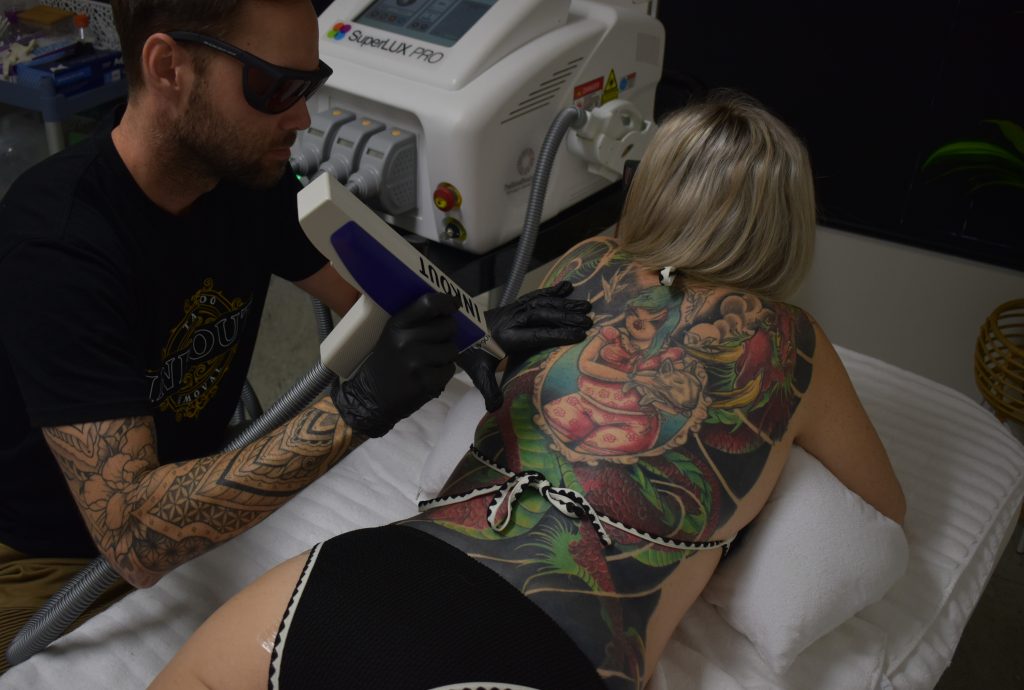
Laser tattoo removal uses targeted light energy to break ink particles into tiny fragments. Your body then naturally flushes these fragments out through the lymphatic system.
The process is:
Each session gradually fades the tattoo until it’s significantly lighter — or completely gone.
Here’s the honest truth:
✔ It’s fast ✔ It’s tolerable ✔ It’s usually less painful than getting the tattoo
Most clients describe the sensation as:
We also use cooling and numbing techniques to keep you comfortable throughout the treatment.
This depends on:
But here’s a general guide:
4–6 sessions
6–10 sessions
10–12+ sessions
Sessions are spaced 6–8 weeks apart to allow your body time to flush out the ink.
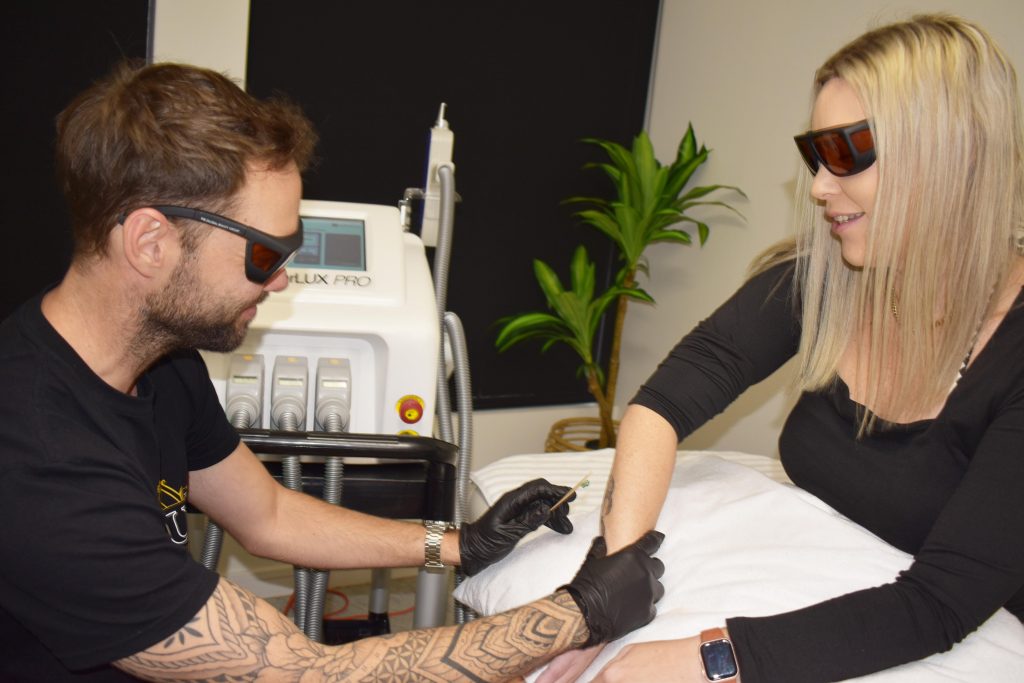
It’s quick, efficient, and easy to fit into a busy schedule.
Most tattoos fade dramatically after a few sessions.
Black ink responds best and often clears fully.
Your skin is protected throughout the process.
You can return to work, errands, or school pick‑ups immediately.
Proper aftercare ensures faster fading and protects your skin.
We recommend:
Your skin will feel similar to a mild sunburn for a day or two — completely normal.
Yes — when performed by trained professionals using medical‑grade laser technology.
At Body Sculpt Clinic, your safety is our priority. We tailor each session to your skin type, tattoo depth, and comfort level.
Pricing depends on tattoo size and complexity, but we offer:
You’ll receive a personalised quote during your free consultation.
If you’re ready to fade or remove an unwanted tattoo, we’d love to guide you through the process.
✨ Book your free tattoo removal consultation at Body Sculpt Clinic today. Let’s create a safe, effective plan to help you feel confident in your skin again.
Your complete guide from Body Sculpt Clinic, Sunshine Coast
If you’ve ever wished you could tone your tummy, lift your booty, or define your arms without spending hours in the gym… you’re going to love EMS Muscle Sculpting.
At Body Sculpt Clinic, EMS is one of our most in‑demand treatments — especially for busy women and men who want real muscle definition, improved strength, and a more sculpted shape with zero downtime.
Here’s your complete, honest guide to how it works and what results you can expect.
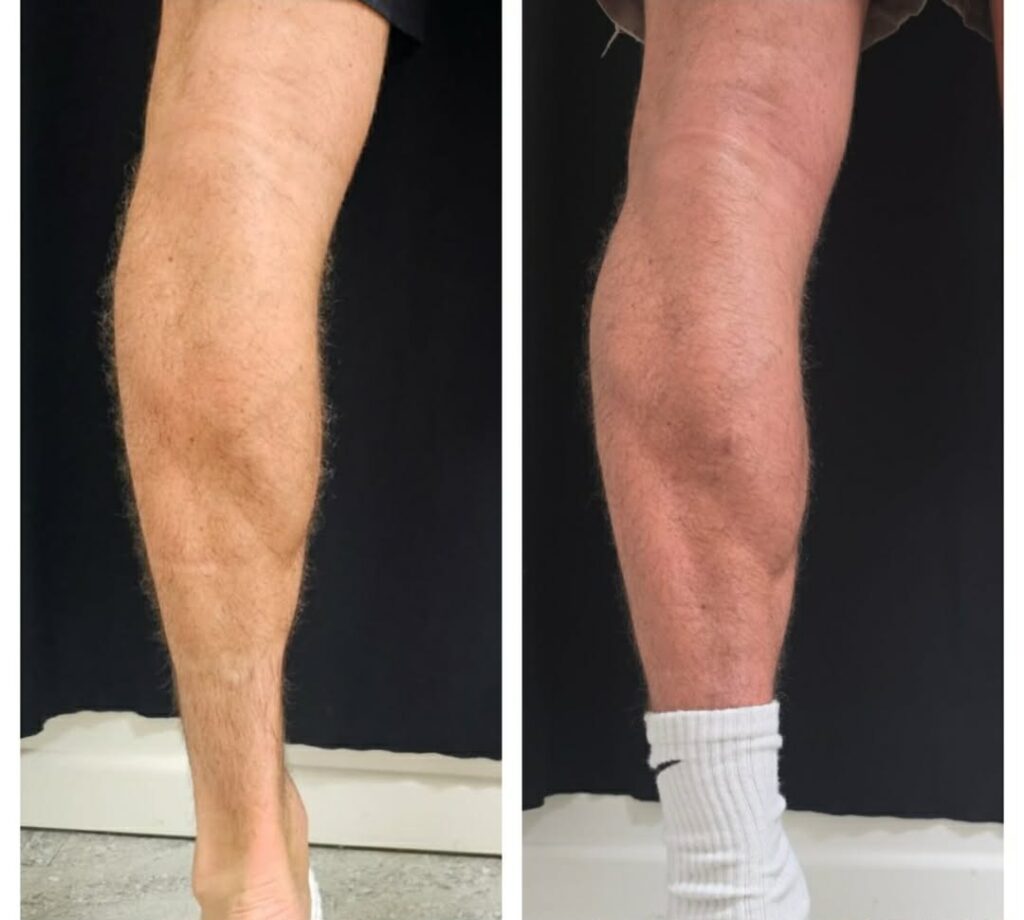
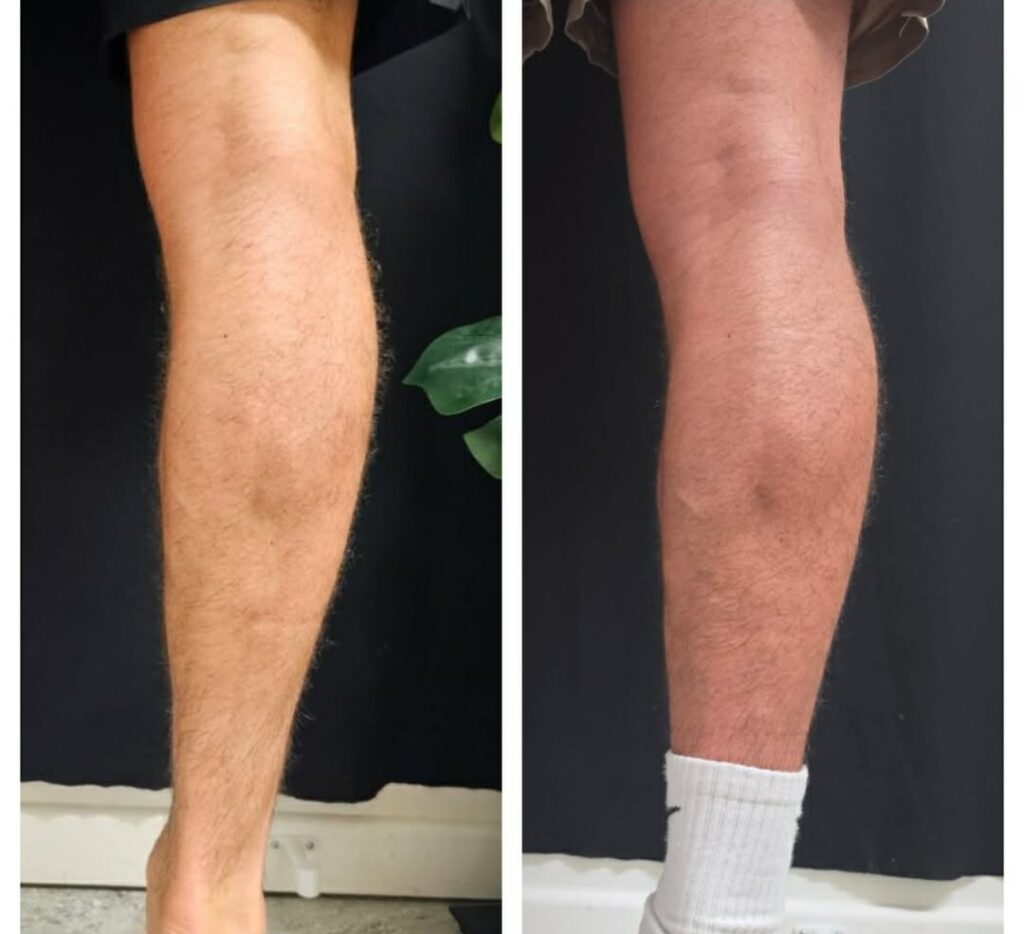
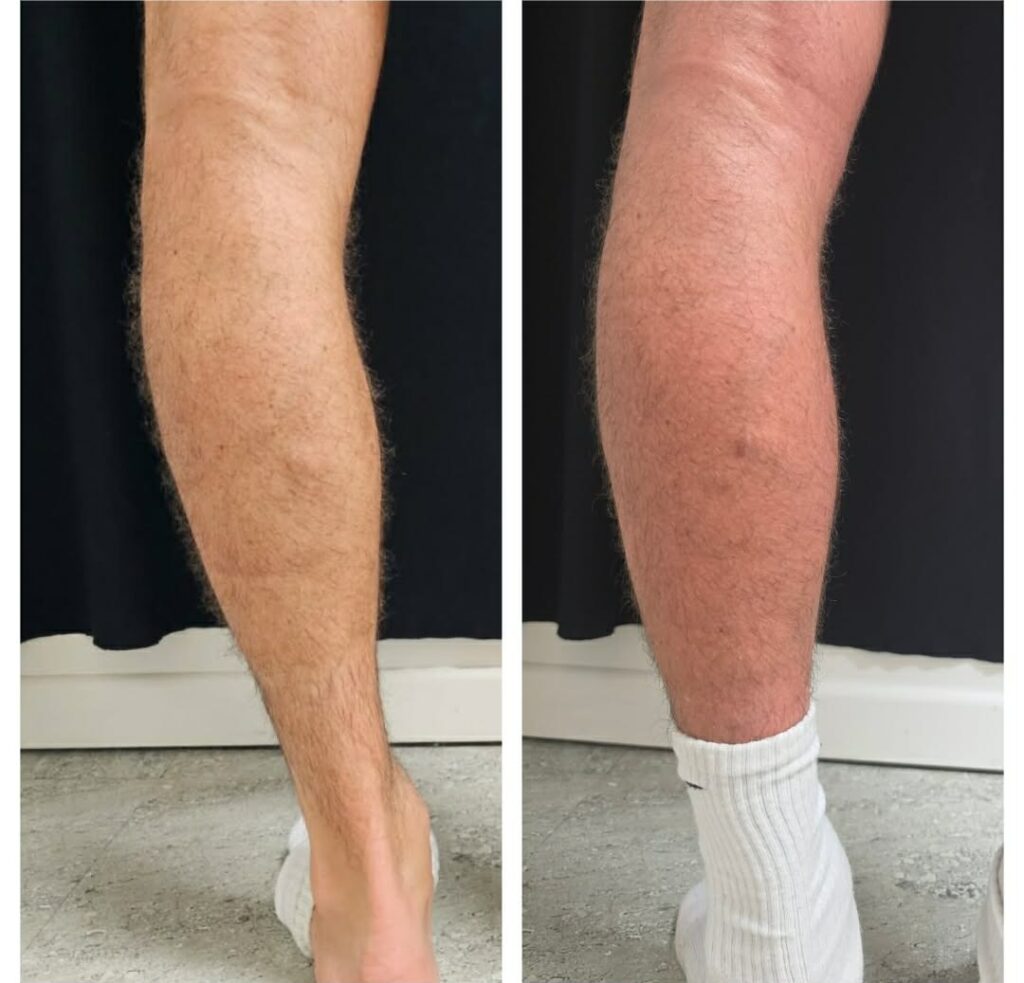
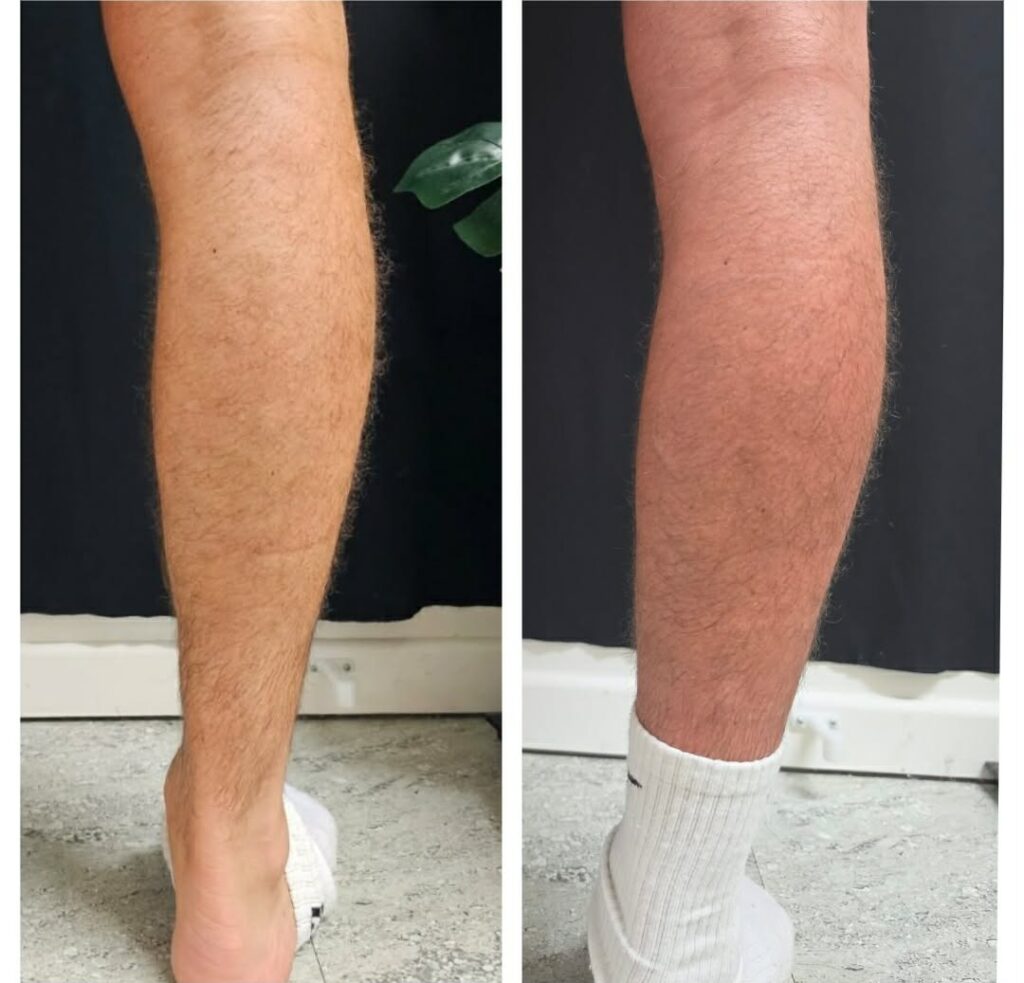
EMS stands for Electro‑Magnetic Stimulation — a technology that triggers deep, powerful muscle contractions that you simply can’t achieve through regular exercise.
One 30‑minute session can deliver the equivalent of:
…depending on the area treated.
It’s like giving your muscles a supercharged workout — without sweat, strain, or stress on your joints.
EMS builds real muscle fibres — not just temporary swelling.
Perfect for tummy sculpting, booty lifting, and arm toning.
Especially helpful for mums, desk workers, and anyone with lower‑back weakness.
Glute EMS is one of our most popular treatments.
Many post‑pregnancy clients see noticeable improvement.
More muscle = more calorie burn, even at rest.
At Body Sculpt Clinic, we commonly sculpt:
If you want more tone, lift, or definition — EMS can help.
For best results, most clients complete:
This builds muscle progressively and safely.
After your initial course, monthly maintenance keeps your results strong and defined.
Clients describe EMS as:
There’s no downtime, no soreness like a gym workout, and you can go straight back to your day.
EMS is ideal for:
It’s also perfect for those who want results without heavy exercise or joint strain.
If you want both fat reduction and muscle definition, combining EMS with fat freezing delivers incredible results.
This creates a smoother, tighter, more sculpted silhouette.
Your body feels stronger, tighter, and more supported.
At Body Sculpt Clinic, we use medical‑grade EMS technology designed for:
Every session is tailored to your body and your goals.
If you’re curious whether EMS muscle sculpting is right for you, we’d love to guide you.
✨ Book your free body assessment at Body Sculpt Clinic today. Let’s create a sculpting plan that helps you feel stronger, more toned, and beautifully confident.
Your complete guide from Body Sculpt Clinic, Sunshine Coast
If you’ve noticed your skin feeling a little less firm, a little less lifted, or just not as smooth as it used to be… you’re not alone. Skin naturally loses collagen and elasticity over time — especially after weight changes, pregnancy, or simply from living life in our beautiful Sunshine Coast climate.
The good news? You don’t need needles, surgery, or downtime to tighten and rejuvenate your skin.
At Body Sculpt Clinic, our radiofrequency (RF) skin tightening treatments are one of the most popular ways to achieve firmer, smoother, more youthful‑looking skin — naturally.
Here’s everything you need to know.
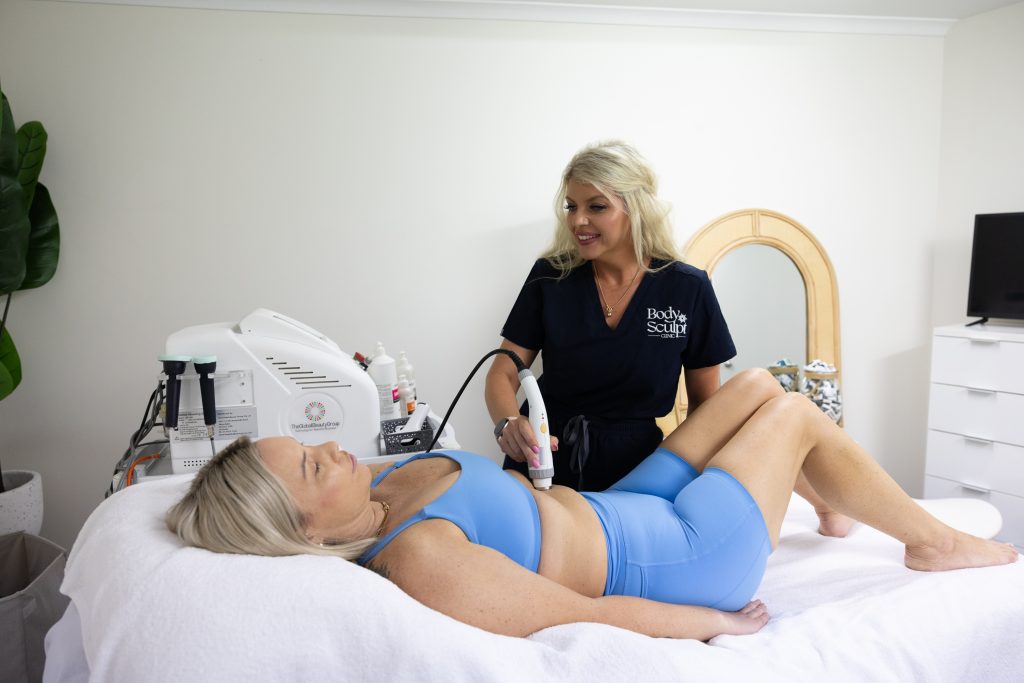
Radiofrequency uses gentle, controlled heat to stimulate your skin’s collagen and elastin production.
Think of it as a workout for your skin — encouraging it to lift, tighten, and rebuild from within.
It’s:
RF helps lift and tone areas that have started to sag or soften.
Fine lines, crepey skin, and uneven texture visibly improve.
Especially around the jawline, chin, tummy, and thighs.
Your skin looks refreshed — not “done.”
Results build over 6–12 weeks as collagen regenerates.
RF skin tightening is incredibly versatile. At Body Sculpt Clinic, we commonly treat:
If you have an area that feels loose, crepey, or lacking firmness, RF can help.
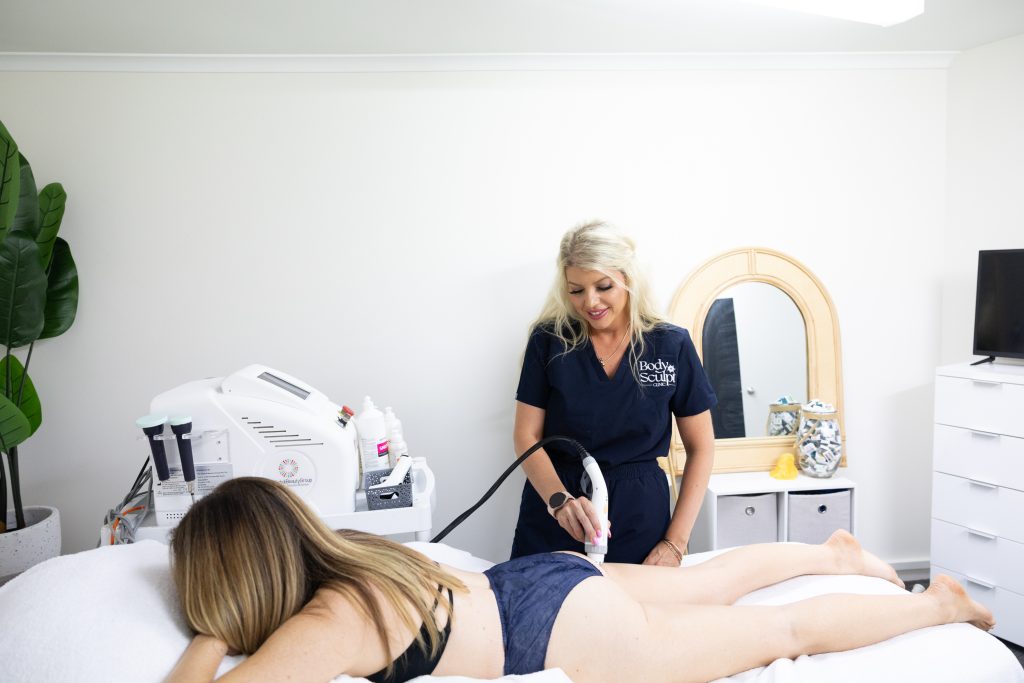
Most clients see best results with:
This allows collagen to rebuild consistently and effectively.
After your initial course, maintenance sessions every 1–3 months help keep your skin firm and glowing.
Clients describe RF as:
There’s no pain, no downtime, and no aftercare — you can go straight back to your day.
RF is ideal for:
It’s also a beautiful complement to fat freezing, helping tighten the skin as the fat reduces.
RF is subtle, natural, and builds beautifully over time.
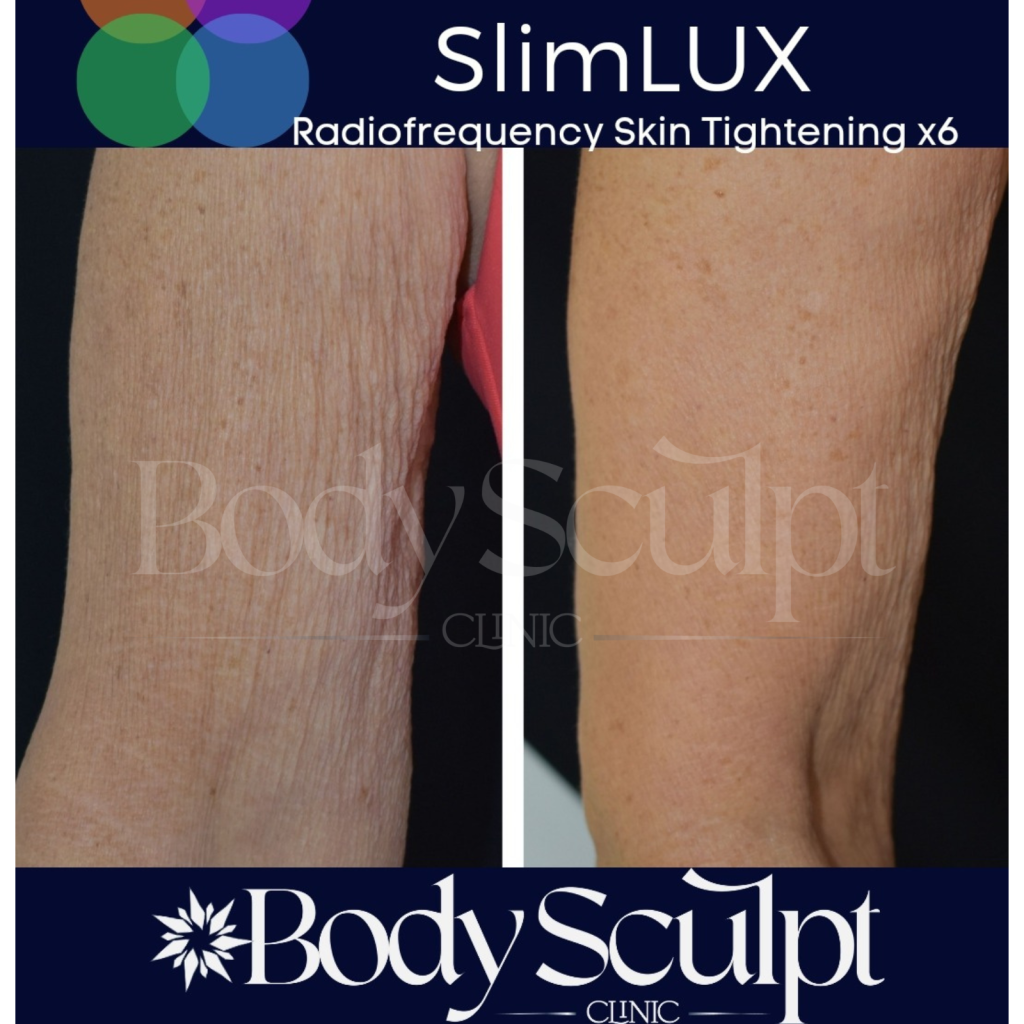
At Body Sculpt Clinic, we use medical‑grade radiofrequency technology designed for:
Every treatment is customised to your skin, your goals, and your comfort level.
If you’re curious whether radiofrequency skin tightening is right for you, we’d love to guide you.
✨ Book your free skin assessment at Body Sculpt Clinic today. Let’s create a personalised plan that helps you feel firmer, smoother, and beautifully confident.
Your personalised treatment roadmap from Body Sculpt Clinic, Sunshine Coast
If you’ve been researching fat freezing, you’ve probably noticed one question that never seems to have a straight answer:
“How many sessions do I actually need?”
And the truth is… it depends. Every body is different. Every fat pocket behaves differently. And every client has their own goals — from subtle smoothing to dramatic sculpting.
At Body Sculpt Clinic, we create personalised treatment plans that are realistic, effective, and tailored to your lifestyle. Here’s the clear, honest breakdown you’ve been looking for.
A single session typically reduces 20–30% of fat in the treated area.
That means:
For some clients, this is all they need. For others, it’s the first step in a bigger transformation.
Perfect for clients who want:
This is ideal if you’re already close to your goal shape.
Best for clients wanting:
Two sessions are spaced 6–8 weeks apart, allowing your body to flush out the first round of fat cells before targeting the next layer.
Recommended for:
This is where we see the biggest “wow” moments.
1–3 sessions depending on fat thickness and goals.
1–2 sessions for most clients.
Usually 1–2 sessions.
Often 2–3 sessions due to deeper fat pockets.
1–2 sessions for tightening and slimming.
1–2 sessions for contouring and definition.
Your body needs time to metabolise the frozen fat cells.
The transformation is gradual — which means it looks completely natural.
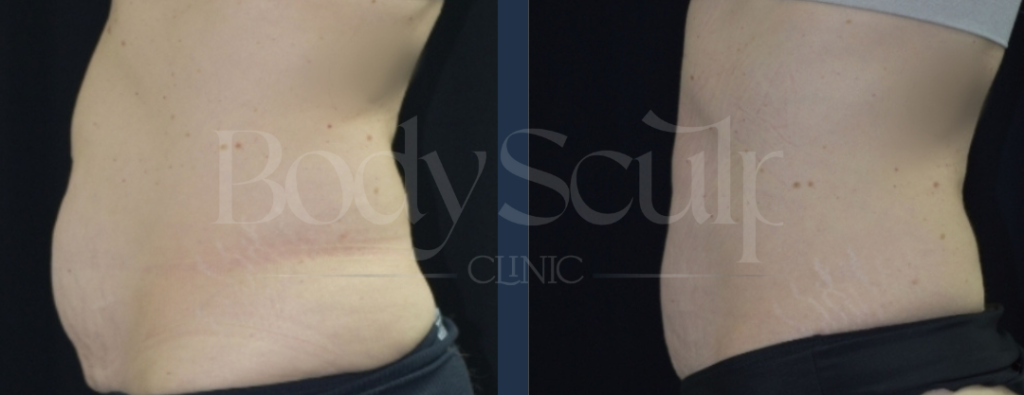
Some fat pockets are softer and respond quickly. Others are dense or hormonal.
Do you want a subtle change or a dramatic sculpt?
Fat freezing works best when paired with healthy habits.
Some areas simply hold onto fat more stubbornly.
This is why we always start with a free body assessment — so you get a personalised plan, not a guess.
If you’re curious about fat freezing and want a clear, personalised treatment plan, we’d love to guide you.
✨ Book your free body assessment at Body Sculpt Clinic today. Let’s create a sculpting plan that feels achievable, empowering, and completely tailored to you.
Your honest comparison guide from Body Sculpt Clinic, Sunshine Coast
If you’ve been researching fat freezing, you’ve probably come across two names over and over again: CoolSlimming and CoolSculpting.
They sound similar. They work in similar ways. And both promise to reduce stubborn fat without surgery.
But what’s the real difference — and which one gives you better results?
At Body Sculpt Clinic, we use CoolSlimming, and there’s a very good reason why. Here’s everything you need to know so you can make an informed, confident choice.
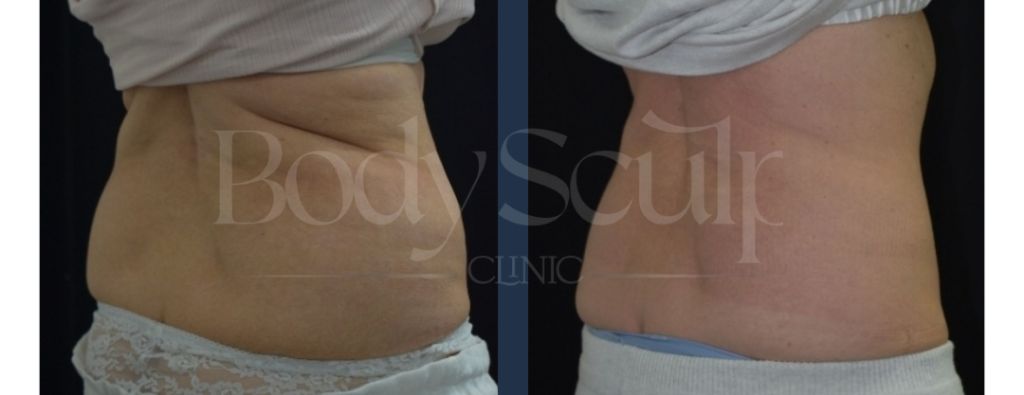
Both CoolSlimming and CoolSculpting use cryolipolysis — a scientifically proven process that freezes and destroys stubborn fat cells.
Once frozen, the fat cells die and your body naturally flushes them out over the next 8–12 weeks.
So in terms of how they work, the technology is the same.

CoolSculpting was the first fat‑freezing device to hit the market. CoolSlimming came later, using updated engineering, improved cooling plates, and more comfortable applicators.
Think of it like the difference between the first iPhone and the latest model — same concept, newer tech.
Clients consistently report:
This is thanks to CoolSlimming’s dual cooling plates and ergonomic applicators.
Both treatments typically achieve 20–30% fat reduction per session. However, CoolSlimming’s updated cooling system allows:
This is why many modern clinics — including ours — have moved to CoolSlimming.
CoolSculpting is a premium-priced brand. CoolSlimming offers the same science, updated technology, and excellent results — without the inflated cost.
This means better value for clients and the ability to treat more areas if needed.
CoolSlimming has a wider range of applicators, making it ideal for:
This flexibility allows us to customise your sculpting plan with precision.
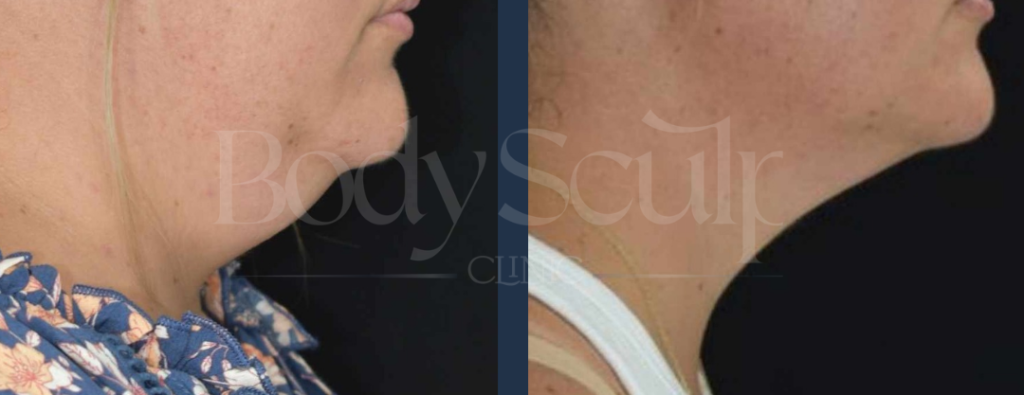
Here’s the honest truth:
✔ Both work. ✔ Both reduce fat. ✔ Both are safe and effective.
But CoolSlimming offers:
✨ Newer technology ✨ More comfort ✨ More flexibility ✨ More value ✨ Equal or better results
That’s why Body Sculpt Clinic proudly uses CoolSlimming — it gives our clients the best experience and the best outcomes.
CoolSlimming is ideal for:
It’s not a weight‑loss treatment — it’s a sculpting treatment.
Most clients see:
And best of all — no downtime.
If you’re curious about fat freezing and want a personalised plan tailored to your body, your goals, and your lifestyle, we’d love to help.
✨ Book your free body assessment at Body Sculpt Clinic today. Let’s create a sculpting plan that feels empowering, achievable, and completely you.
Your complete, honest guide from Body Sculpt Clinic
If you’ve been eating well, staying active, and still battling those stubborn pockets of fat that simply won’t budge… you’re not alone. At Body Sculpt Clinic, we see this every day — especially around the lower tummy, hips, thighs, and bra line.
That’s where fat freezing (also known as cryolipolysis or CoolSlimming) becomes a game‑changer. It’s one of the most effective non‑invasive fat reduction treatments available, and it’s incredibly popular across the Sunshine Coast for one simple reason:
✨ It works — without pain, downtime, or surgery.
But what results can you really expect? Let’s break it down.
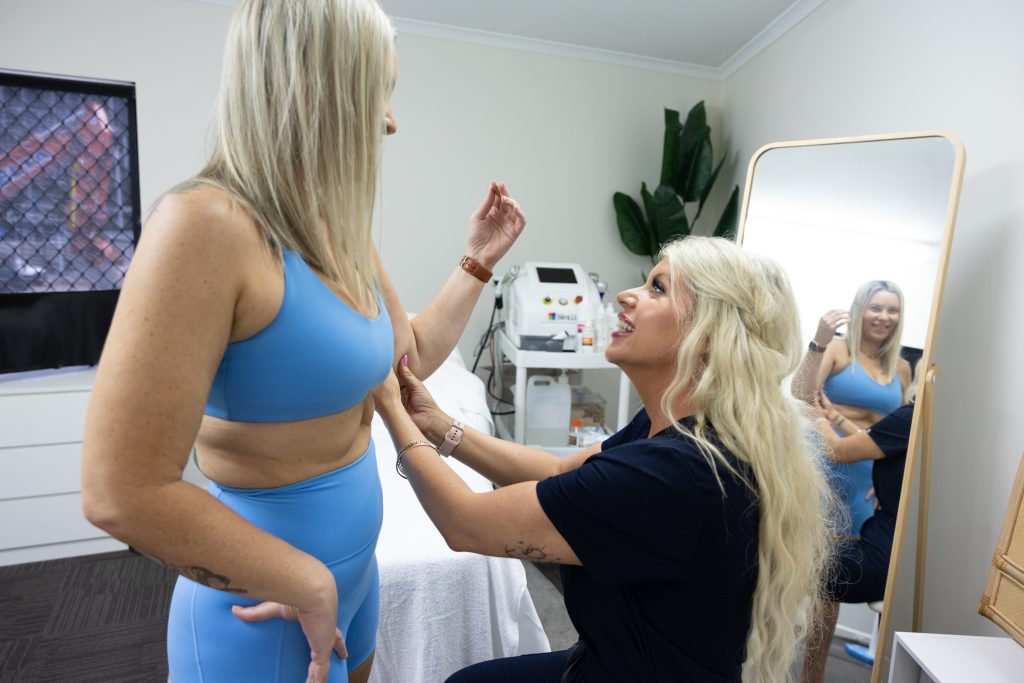
Fat freezing targets and crystallises stubborn fat cells using controlled cooling. Once frozen, these cells die off and your body naturally flushes them out over the following weeks.
The best part? Fat cells don’t grow back — once they’re gone, they’re gone.
Here’s what our Sunshine Coast clients typically experience:
Most clients see a noticeable, measurable reduction after just one session.
Your body needs time to metabolise the frozen fat cells — but the transformation is worth the wait.
You won’t look “done.” You’ll simply look more sculpted, smoother, and more confident.
You can return to work, school pick‑ups, gym, or errands immediately.
Fat freezing is ideal for:
It’s not a weight‑loss treatment — it’s a body‑shaping treatment.
At Body Sculpt Clinic, we commonly treat:
Each area is customised to your body shape and goals.
Most clients need:
Your personalised plan is created during your consultation so you know exactly what to expect.
Yes — cryolipolysis has been extensively studied and is considered one of the safest non‑invasive fat reduction treatments available.
At Body Sculpt Clinic, we use medical‑grade CoolSlimming technology, ensuring consistent cooling, comfort, and results.
Fat freezing is powerful — but it’s not magic.
You will see a reduction. You will look more sculpted. You will feel more confident in your clothes.
But it won’t replace a healthy lifestyle, and it won’t remove large volumes of fat. It’s best for refining, contouring, and smoothing.
If you’re curious whether fat freezing is right for your body, your goals, and your lifestyle, we’d love to guide you.
✨ Book your free body assessment at Body Sculpt Clinic today. Let’s create a personalised plan that helps you feel confident, sculpted, and completely yourself.